WASHINGTON, D.C. – IRS CEO Frank Bisignano testified that the agency has delivered larger tax refunds at faster speeds in the first filing season after the Working Families Tax Cuts was signed into law. IRS data shows the average refund is up over 10 percent and CEO Bisignano testified direct deposit refunds are deposited in bank accounts just nine days after filing, on average. In the past, taxpayers received their refunds within 21 days for e-filed returns, while mailed returns took over six weeks and more complex or amended returns took up to 16 weeks. IRS operations have significantly improved under CEO Bisignano’s leadership. Shorter call times, a significant increase in IRS website traffic, and its revamped online tools highlight the success of a leaner IRS that provides excellent service to taxpayers using the most advanced technology.
CEO Bisignano stated that 43 percent of tax returns filed so far have claimed at least one of the many new tax cuts that House Republicans delivered in the Working Families Tax Cuts: no tax on tips, no tax on overtime, no tax on Social Security, and no tax on auto loan interest for cars made in America. He also highlighted that seniors are receiving the largest dollar benefit this filing season, while taxpayers earning less than $100,000 are seeing the largest percent increase in their refunds.
“Bigger Refunds, Faster.” Tax Filings Prove Working Families Tax Cuts Boost Refunds
Enhancing speed and efficiency at the IRS is critical to the taxpayer experience. CEO Bisignano is ensuring that IRS has the capability to distribute tax refunds quickly so American taxpayers benefit from the relief provided in the Working Families Tax Cuts: no tax on tips, no tax on overtime, no tax on Social Security, no tax on auto loan interest for cars made in America, larger Child Tax Credits, a larger standard deduction. CEO Bisignano shared updates from tax filing season that show Americans are getting more money in their pockets faster than previous filing seasons.
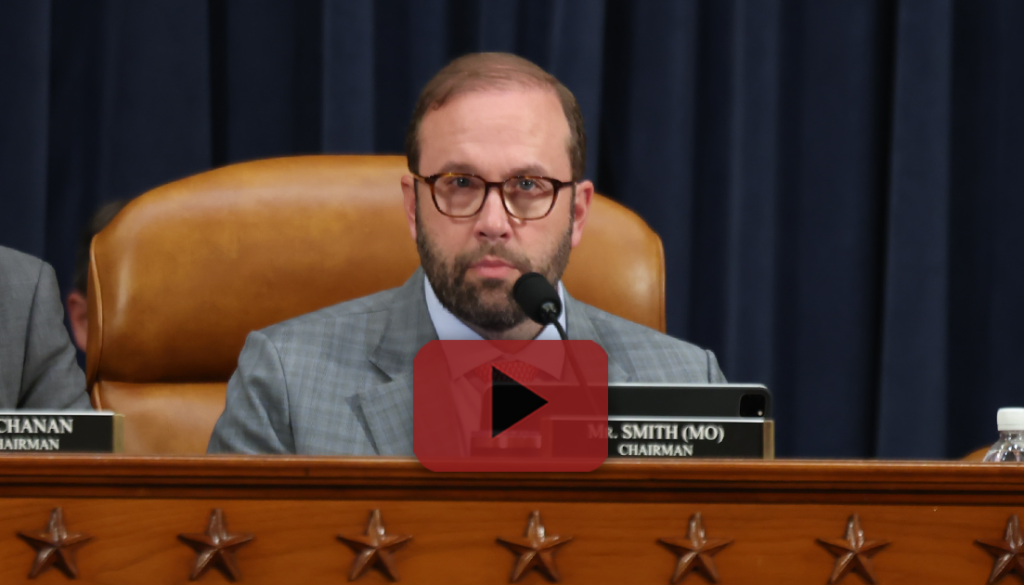
Chairman Jason Smith (MO-08): “It is not just the fact that working families are going to see larger refund checks, with refunds already 10 percent higher than last year. We must also ensure that money gets into the hands of working families as soon as possible. What is your agency doing to make filing smoother for American taxpayers who are set to benefit from these historic tax refunds, and what, if any, additional efforts do you think are needed to ensure the working families of this country get the tax relief they deserve?”
IRS CEO Frank Bisignano: “Right now, for Schedule 1-A, the average refund increase is $775. The analytics group [internal IRS unit] has a scale that shows, by the end of [tax filing season], it will be $1,000. Bigger refunds, faster. If there was a direct deposit, which was in the high 90 percent and increasing, it’s nine days on average for that refund to get to the taxpayer. I think what you’re finding is bigger refunds, quicker refunds, and an easier IRS to operate through. Right at this moment, we are statistically 40 percent through the filing season. We statistically get 160 million, 140 million during the season and we have 55 million today, [which] is a very good indicator of how the filing season is going: faster return processed and bigger refunds distributed.”
New News: Adoption Tax Credit Refundability Boosted To $5,000
Adoptions can cost up to $60,000 – which is more than many Americans make in an entire year. That’s why Ways and Means Republicans gave more families access to the Adoption Tax Credit in the Working Families Tax Cuts. Republicans also ensured that a portion of this credit is refundable. In response to Ways and Means Committee Chairman Jason Smith (MO-08), CEO Bisignano announced for the first time that for tax year 2025, carry-forward amounts of the adoption credit for prior years are refundable up to $5,000 per qualifying child.
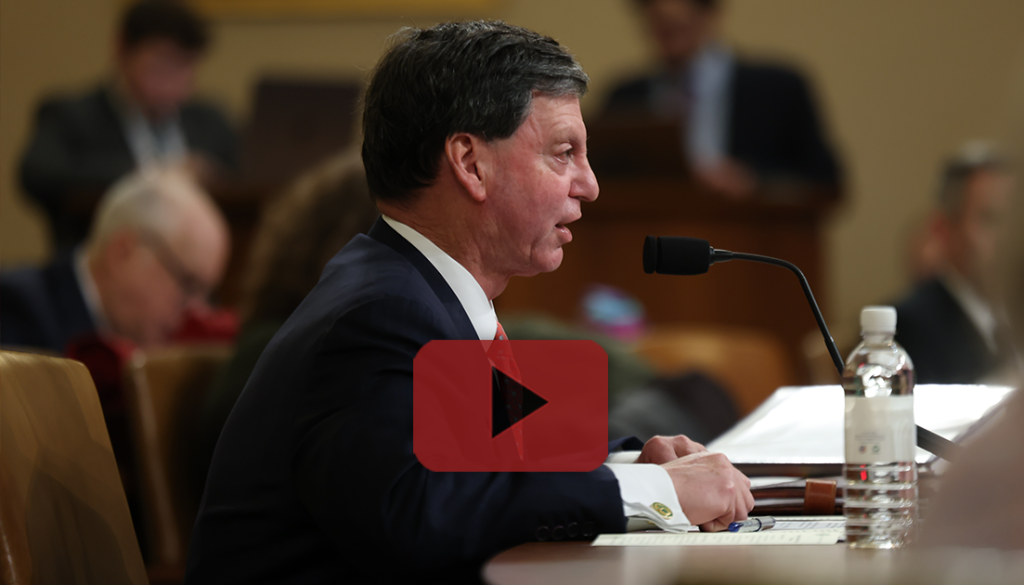
Chairman Jason Smith (MO-08): “With birthrates near historic lows, Republicans on this committee wanted to do everything possible to make it more affordable to start a family in the Working Families Tax Cuts. The cost of adoption, for example, is estimated to be as high as $60,000, which is more money than many Americans make in a year. We cannot accept that cost is a barrier to giving a child their forever home.
“That’s why Republicans gave more families access to the Adoption Tax Credit in the Working Families Tax Cuts. Working-class families who sacrifice to adopt a child into their home can miss out on the full value of the credit, so the Working Families Tax Cuts made a portion of the adoption tax credit refundable to ensure adoption is accessible to every family, regardless of income. With refund season now in full swing, can you speak to how the IRS and Treasury Department are working to implement the refundability of the adoption tax credit for families welcoming a new child into their home?”
IRS CEO Frank Bisignano: “I am pleased to announce that for tax year 2025, carry-forward amounts of the adoption credit for prior years are refundable up to $5,000 per qualifying child, and the IRS is implementing this policy as expeditiously as possible without disrupting the current filing season. The IRS will publish additional information on this very soon. Taxpayers should continue to claim the credit as directed by the current forms and instructions during tax season, since the IRS is pursuing post-filing remedies to resolve this issue.”
“Technology Is the Great Enabler”: IRS Is Cheaper, Leaner, and More Efficient
Under CEO Bisignano’s leadership, the IRS’s customer service model is shifting from antiquated technology to a modernized system that proactively identifies and implements the latest technology to serve taxpayers better, faster, and cheaper. The focus on efficiency allowed the agency to improve taxpayer service while cutting $2 billion from the IRS’s technology budget. Because of these improvements, use of the IRS website and its online tools have climbed 43 percent this filing season. More online visits decrease the pressure on the agency’s phone systems and in-person centers, which require more time and effort from taxpayers and struggled to perform during the Biden Administration. The former administration’s goal of spending $80 billion to hire thousands of agents without focusing on modernizing the IRS’s technology, did little to improve the agency’s failing technology and processes.

IRS CEO Frank Bisignano: “We’re five months into me being in the job, and you’re seeing 43 percent more queries online. We’re talking about 40 million more…I’m happy to do anything in the world to make it easier for the American public to file their taxes and to get served by us, and to increase compliance. And the only answer to that I know, through my whole life, is technology is the great enabler.”
Rep. David Schweikert (AZ-01): “It wasn’t about sticking bodies in chairs. It was the adoption of the technology that makes taxpayers, every American’s life easier.”
Ways and Means Committee Making Filing Taxes Simpler and More Fair
Since 2025, the Ways and Means Committee has passed 12 bipartisan bills that improve tax administration processes at the IRS and address challenges faced by taxpayers. The suite of legislation makes tangible improvements to the taxpayer experience, ranging from providing relief to taxpayers affected by natural disasters, strengthening taxpayer rights, and enhancing the efficiency of the IRS. Four of these bills have been signed into law, including the IRS MATH Act. The bills passed by Ways and Means Republicans complement President Trump’s Taxpayer First vision for the agency.
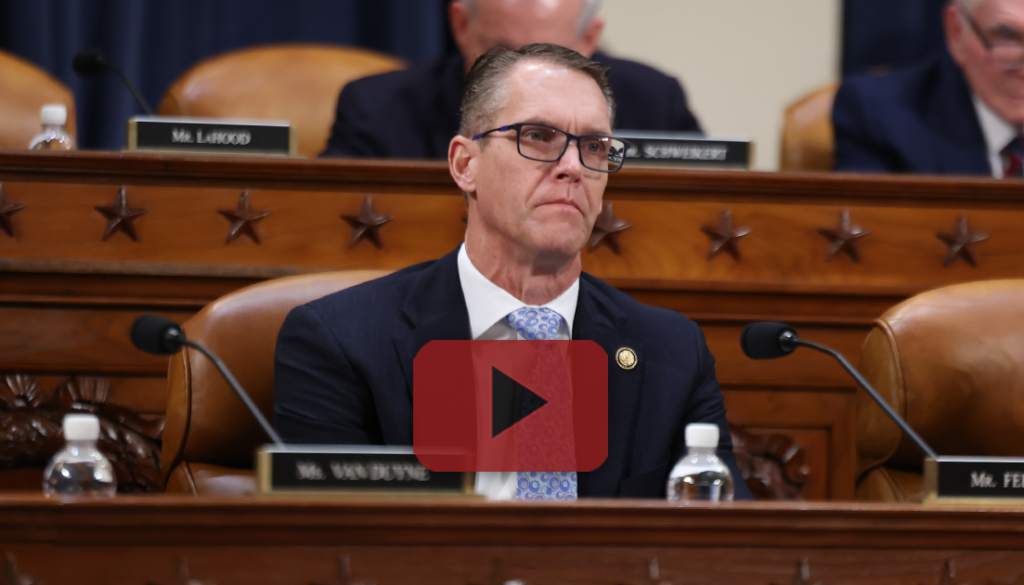
Rep. Randy Feenstra (IA-04): “I want to talk about a bill that was introduced. It’s called the IRS Math Act, which requires the IRS to provide clear, itemized explanations…The IRS never really told people how the error was done. Can you address how you are working with the taxpayer when they make an error? How do you identify it? What do you do to give notice to them that says ‘We got a concern here.’”
IRS CEO Frank Bisignano: “Sometimes it happens right in the online submission that we’re advising we can see something fundamentally wrong in the math. I would say that on the simple stuff all the time. A technical skills capability gives them a prompt or gives the preparer a prompt that says we see an error.”