Three Key Moments: Hearing on Reclaiming “Forgotten” Fraudulent Pandemic Unemployment Funds Frozen by Banks
March 16, 2026
WASHINGTON, D.C. – Taxpayers risk losing nearly $1 billion in fraudulent COVID-era unemployment benefits abandoned in banks, unless Congress acts to claw back federal funds and the statute of limitations is extended. The Ways and Means Work & Welfare Subcommittee examined findings by the Department of Labor’s Inspector General showing $912 million in taxpayer money flagged for fraud is currently frozen and held by financial institutions. The investigation found at one financial institution, the highest balance on a single card is $76,000; at another financial institution, $56,000.
During the pandemic, states issued billions in unemployment benefits on prepaid debit cards through contracts with banks. Fraudsters and international cybercrime rings used stolen identities and exploited eligibility loopholes to defraud taxpayers of $100-$135 billion in federal pandemic aid, according to the Government Accountability Office.
Six years later, a new investigation found millions of debit cards held by banks, unaccounted for and unreconciled by states. Unfortunately, guidance under the Biden Administration encouraged states to “move on” from rampant unemployment fraud and permitted states to sweep fraud under the rug by allowing blanket waivers of suspicious overpayments, absolving states of liability for investigating and reconciling payments held by banks.
Last March, the House passed with a large bipartisan consensus, a Ways and Means Committee bill, the Pandemic Unemployment Fraud Enforcement Act (H.R. 1156), allowing prosecutors more opportunity to recover stolen taxpayer dollars by extending the statute of limitations from five to ten years. The Senate currently has not taken any action on the legislation, potentially risking the permanent loss of these dollars to fraud.
Criminals Waiting for Statute of Limitations to Expire to Steal Unemployment Benefits
The expiration of the statute of limitations for prosecuting pandemic unemployment fraud beginning in March of 2025 has already resulted in the loss of hundreds of millions of taxpayer funds. According to the Inspector General of the Department of Labor, criminal arrests have led to testimony by alleged perpetrators that fraudsters are waiting for the statute of limitations to lapse to withdraw funds on debit cards without legal liability. Extending the statute of limitations from 5 to 10 years, as the Pandemic Unemployment Fraud Enforcement Act (H.R. 1156) does, would thwart criminal attempts to access the frozen funds retroactively.
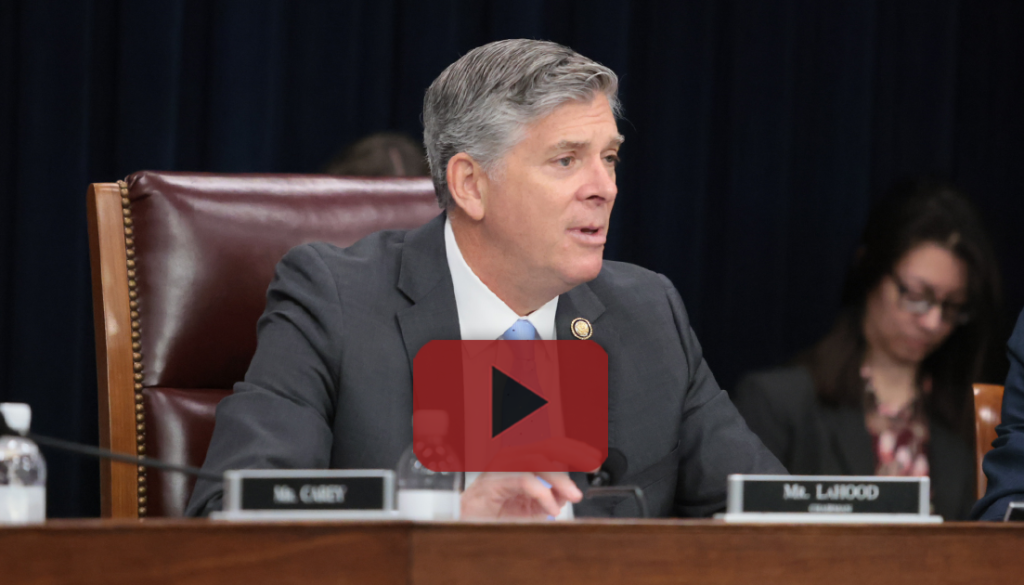
Rep. Darin LaHood (IL-16):“Last March, HR 1156, the Pandemic Unemployment Fraud Enforcement Act…passed the House with a large bipartisan consensus, with over 80 Democrats supporting it. The bill would extend the statute of limitations for prosecuting pandemic unemployment fraud from five years to 10 years, allowing prosecutors the ability to go after the criminality that was committed. Does the Inspector General’s office support an extension of the statute of limitations and do you believe it will result in recovery of additional taxpayer funds? As a follow up, can you speak to the statute of limitations as it relates to civil forfeiture tools needed to get back frozen funds on the bank debit cards and transferred to state unclaimed property?”
Anthony D’Esposito, Department of Labor Inspector General: “First and foremost, yes, we absolutely do support the extension. We believe that it will give investigators the tools and resources that they need to continue to investigate the crimes and work with their prosecutor partners in order to move these cases forward.
“One of the things that we’ve encountered in the last four years is prosecutors that didn’t want to move forward in some of these cases. Now we are doing our best to open the doors of communication and open the lines of communication with prosecutors throughout this nation in order to prosecute cases just like this. Extending the statute of limitations is key to that. It also goes into those billion dollars that’s on those debit cards. We have information that has come from interviews during arrests, that there are some criminals that are actually waiting for the statute of limitations to expire, to then remove the money from those cards.” “This [Problem] is Quite Solvable:” Finding Powerful Solutions to Unemployment Fraud
Only $6 billion of the estimated $100 to $135 billion of pandemic relief lost to fraud has been recovered. Unless Congress acts, $912 million of stolen unemployment benefits sitting in banks will almost certainly meet the same fate. In addition to extending the statue of limitations for prosecuting fraudsters, the hearing dove into other policy changes to address the issue.
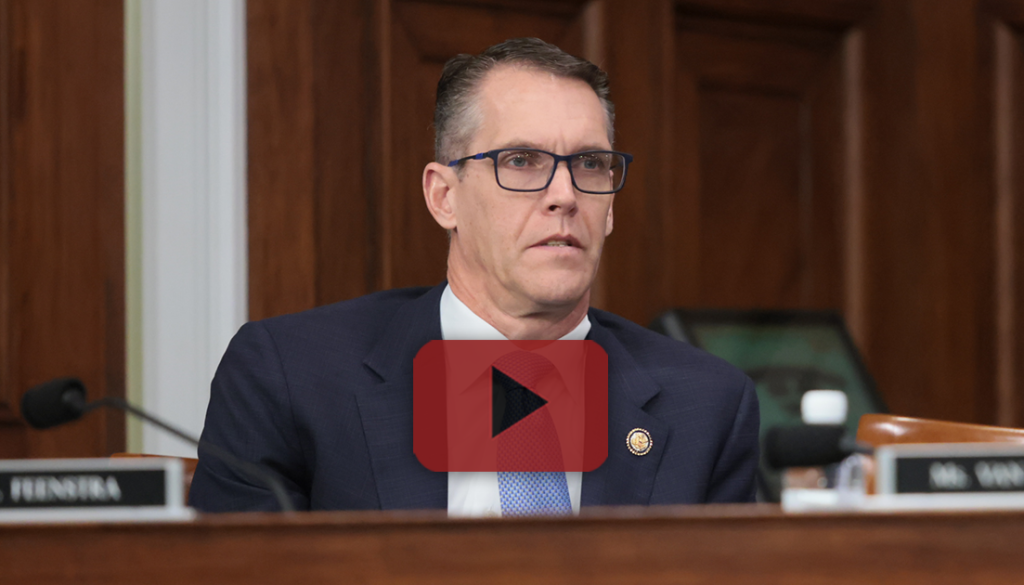
During questioning from Rep. Randy Feenstra (IA-04), expert witnesses urged Congress to act and recommended designating a taskforce and national fraud recovery coordinator to recoup funds frozen by banks.
Anthony D’Esposito, Department of Labor Inspector General: “I think that having Congress help us to make sure that task forces are something that can be utilized in this specific space is critically important… I also think that it’s important that hearings like this take place…It’s also important to let the American people know what is exactly happening, and these hearings need to be about finding solutions to the problem. Like was said, this is not a Republican or a Democrat issue, it’s an American issue.”
Linda Miller, President, Program Integrity Alliance:“I think as far as problems go, this one is quite solvable, and I think that’s one of the reasons I’m heartened by this hearing today, because this is something that can be done. There is a path we see where the money is sitting. The financial institutions want to work with the government. They want to work with the states and the federal government to return the money. What Congress needs to do, and you have the ability to do this, is to provide that pathway for them to do it. We didn’t ever experience anything like this before. The banks didn’t have this problem until the pandemic. Creating a pathway and protecting them from liability is important. They need certainty right now. They have uncertainty.” Barriers Blocking Recovery of Fraudulent Funds: Data Sharing and Conflicting Regulation
Financial institutions, as the current holders of these funds, are a key player in the fight against fraud. Yet, banks face their own statutory obligation and regulatory guidelines that can make returning funds complicated. Along with extending the statute of limitations, offering certainty and identifying a clear legal pathway is needed for financial institutions to transfer taxpayer money back to the federal government without incurring liability.
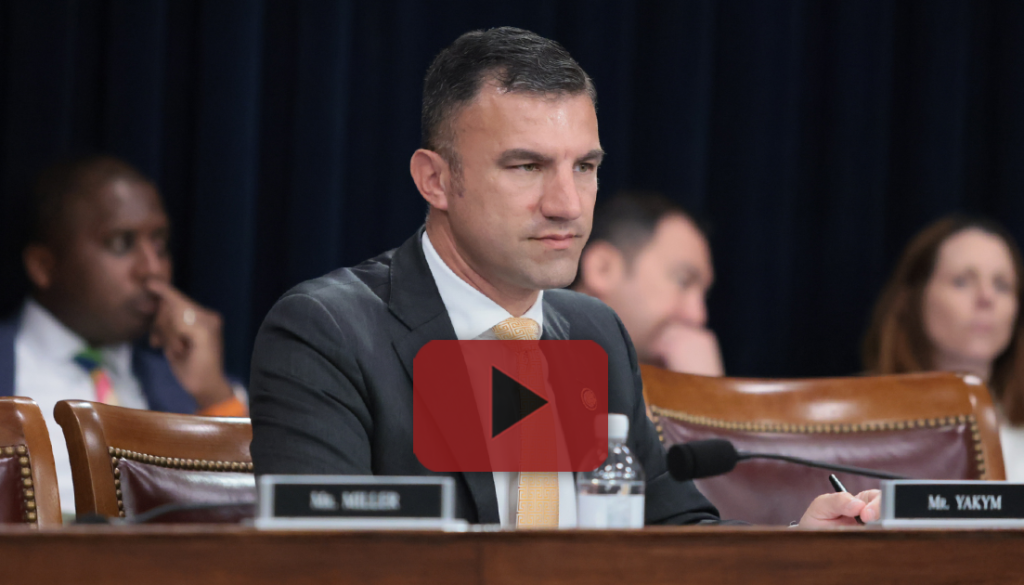
Rep. Rudy Yakym (IN-02): “Mr. Williams, are there steps the federal government can take to help alleviate some of those hurdles?”
Dan Williams, Founder, Origin Payments: “Some of those hurdles? I think two big steps that could be taken. One is any barrier that actually just prevents the delivery of data back and forth is a good expediter. The second…deconflicting regulation. Certainly, as raised by earlier comments, there were regulatory fines issued from the CFPB to financial institutions for the handling of fraud. I think the main thing is, upon returning it upon request of the government, you just want that conflict and uncertainty eliminated so that you can do your job, your fiduciary responsibility, return it, and not have to worry about anything down the road.”