WASHINGTON, D.C. – Small businesses can breathe easier thanks to permanent, expanded tax relief provided in the Working Families Tax Cuts. Main Street businesses can now plan with more certainty with the 20 percent small business deduction being made permanent, and pro-growth tax relief enacted by Republicans – including an increase in the small business expensing threshold, a restoration of immediate 100 percent expensing and R&D expensing, among other policies – allows these businesses to keep more of their hard-earned money to reinvest back in their growth and their employees. In Ways and Means hearings held outside Washington, owners of Main Street businesses testified how important the 20 percent small business deduction was for their bottom line and future expansion plans, confirming the need to make the deduction permanent in the Working Families Tax Cuts.
The deduction will help small businesses fuel $75 billion in economic growth annually in the short term and $150 billion annually in the long term.
VIDEO: Chairman Smith Breaks Down How the Working Families Tax Cuts Help Small Businesses
“In communities across the country, the Ways and Means Committee heard the same thing from small businesses as we prepared to enact the Working Families Tax Cuts. Small businesses needed more tax relief, and they needed the certainty that their taxes would not go up to 43.4 percent – a rate even higher than what is paid in Communist China – if the 2017 Trump tax cuts had been allowed to expire, as President Biden and Democrats in Congress wanted. Republicans in Congress listened and made the critical 20 percent small business deduction permanent, fueling an average of 1 million new Main Street jobs annually for 10 years and 2 million new jobs each year after on top of another $750 billion in new economic growth for the next 10 years,” said Ways and Means Committee Chairman Jason Smith (MO-08). “We doubled small business expensing to $2.5 million, and we renewed bonus depreciation, immediate expensing for domestic R&D, and greater interest deductibility, all so small businesses could compete in a rapidly-changing economy. We also tackled the paperwork burden by more than tripling the 1099-MISC threshold and stopped the Democrats’ attack on the gig economy by repealing the $600 threshold to file a 1099-K. Instead of wasting time and resources planning for their taxes, America’s 36 million small businesses and their over 63 million workers can now plan for future growth and hiring.”
Small business owners from multiple industries have shared at Ways and Means Committee field hearings about the importance of permanent pro-growth, pro-worker tax policy.
At the Ways and Means Committee’s first-ever hearing under Chairman Smith in February 2023, held in Petersburg, West Virginia, Tom Plaugher, a lumber mill operator, shared how the tax relief made permanent in the Working Families Tax Cuts helps America’s rural economy:
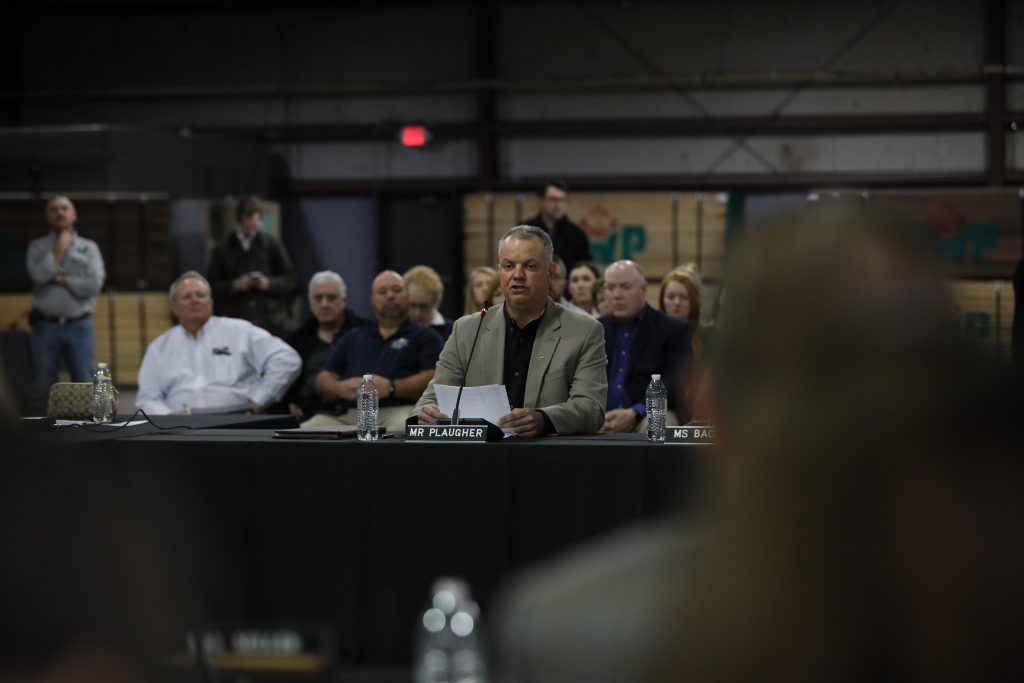
“I am a forester and a lumberman and probably pretty poor accountant. But just in general, the tax cut would be very beneficial to us, especially the bonus depreciation, the upfront depreciation. The line that is behind you is actually a test line for an automated lumber grading system. We will put the scanning equipment in place here in about 2 weeks. At the end of the day when we finish this line completely, it will be about a $5 million investment.”
Bryan Jackson, a meat processor, told the Committee in Yukon, Oklahoma that tax cuts help small businesses like him pay salaries and benefits for his employees:

“I can tell you that reducing the taxes for a small business would greatly help us. And as a small business owner, I can tell you that any money saved is reinvested in our business. And how early on we are, it is a struggle to make sure, like I mentioned in my testimony, to have the cash flow to make sure that we can meet payroll, and then beyond that, offer benefits for people who have been with for an extended period of time, paid time off, and healthcare, things like that. So the more we can receive in terms of help in making our life easier and paying less taxes, the more we can do for our employees.”
Matt Livingston, a sports bar owner, testified at a field hearing in Peachtree City, Georgia that the 20 percent small business deduction helped his business stay afloat in the midst of rising prices under Joe Biden and Democrats in Congress:
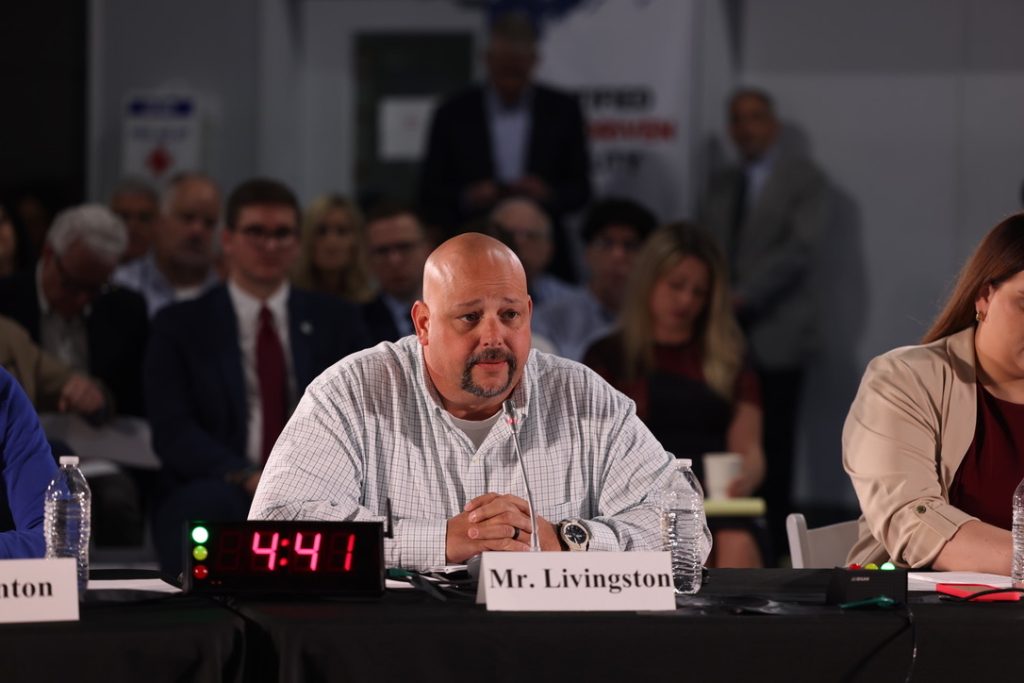
“Our margin is so thin and even now we’re having the cost of goods going up so high and being able to stay afloat and having to drop our menu prices. Our profitability has dropped drastically. Anything that charges us more is devastating.”
Tom Tredway, small Pennsylvania manufacturer, shared how the small business deduction helps mom-and-pop operations financially compete against corporations who have a permanently lower tax rate:
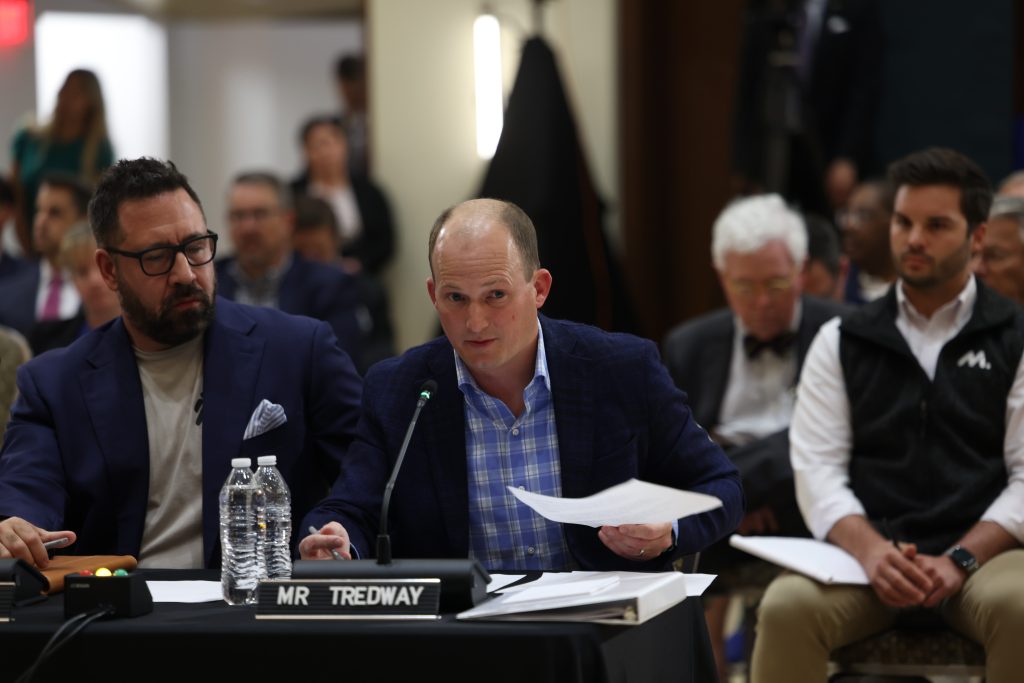
“And for small businesses like us to be against corporations, if we don’t keep that [20 percent small business deduction] in place, we’re not losing another step on the ladder when it comes to how we’re taxed.”
Raymond Huff, a convenience store chain owner, shared at a California field hearing how he planned to use the Working Families Tax Cuts to grow and expand his business:

“The tax provisions in the bill are a critical part of my plan…Bonus depreciation alone will help me double the size of my most profitable store. That will allow me to add five more employees, an increase in my workforce of one-third, in addition to expanding our best performing store. The numbers now make sense for me to reopen two of my stores that I closed after the fall of the pandemic…All told, I expect to increase my employee numbers by 50 percent or more. If that’s the impact on just my business, multiply that across thousands of small businesses, and the impact on the U.S. economy is immense. Making section 199A permanent, increasing business interest deduction, together with bonus depreciation, creates a virtuous cycle for my business.”
How the Working Families Tax Cuts Helps Main Street Grow Again
- Permanent 20 Percent Small Business Deduction: The nation’s 36 million small businesses and their over 63 million workers will get permanent tax relief that creates over 1 million small business jobs and $750 billion in economic growth from American small businesses.
- Raising Small Business Expensing: Small businesses can immediately expense $2.5 million of capital purchases annually, doubling the limit prior to the Working Families Tax Cuts.
- 100 Percent Immediate Expensing: Allows small businesses to immediately expense the cost of machinery and equipment.
- Immediate R&D Expensing: Allows small businesses to immediately deduct the cost of domestic research and development (R&D), making small businesses more productive.
- Greater Interest Deductibility: Small businesses can deduct more loan interest, especially helpful during a period of elevated interest rates.
- Stops Attacks on Gig Workers: Repeals Democrats 1099-K gig worker rule that required Venmo, PayPal, and gig transactions over $600 to be reported to the IRS.
- Reduce Paperwork Burden: Increases the 1099-MISC threshold to $2,000.