
WASHINGTON, D.C. – Rural America is already seeing the benefits of the Working Families Tax Cuts, legislation shaped by the experiences and testimony of everyday rural Americans.
More of America’s 2 million family farms will be able to pass down their acreage, equipment, and legacy to the next generation because Republicans made permanent and enhanced the doubled Death Tax exemption in the Working Families Tax Cuts. Family farming is embedded in the fabric of rural communities and key to protecting the nation’s food and energy supplies.
Farmers and ranchers, 98 percent of whom file their taxes as pass-through entities, can now invest more money back into their operations thanks to the permanent 20 percent small business deduction and a new credit that lowers the cost of borrowing – powerful relief when interest rates are high.
Republicans in Congress also renewed the successful Opportunity Zone program and created bonus incentives in rural zones to spur more prosperity, investment, and jobs in overlooked rural communities.
VIDEO: Ways & Means Republicans Break Down How Working Families Tax Cuts Put Farmers First
“Too often, rural America has been left behind by Washington, in part because rural America is full of everyday Americans who don’t have special interests to fight for them. That’s why we took the Ways and Means Committee outside of Washington to rural towns like Petersburg, West Virginia, Yukon, Oklahoma, Peachtree City, Georgia and Kimball, Minnesota to hear the testimony of working moms, farmers and small business owners. They couldn’t afford to travel to Washington, but their commonsense ideas shaped this tax bill.
“That’s why Republicans doubled the Death Tax exemption for married couples and made permanent, so 2 million families don’t lose their farm just to pay an insane tax bill from the IRS after the death of a loved one. Ninety-eight percent of family farms will also benefit from the permanent 20 percent small business deduction, so they can keep more of their hard-earned money and invest in their operations. We heard from farmers and small business owners that by lowering borrowing costs, making permanent 100 percent immediate expensing, and raising the small business expensing threshold, we could create jobs and economic growth in our rural communities. One-fifth of all small business expensing deductions across the economy are utilized by the agricultural industry, meaning these policies will have a major impact and help spur growth and investment in the tools of the trade for American farmers. We also heard testimony that not enough investment was targeted at rural communities from the Opportunity Zone program created in 2017, so the Working Families Tax Cuts also targeted more support to drive $100 billion in new investment in rural and underserved neighborhoods in the improved Opportunity Zone program,” said Ways and Means Committee Chairman Jason Smith (MO-08). “Republicans in Congress listened to the priorities of rural communities and passed policies to ensure the survival of the nation’s Main Streets, ranches, and farms for generations to come.”VIDEO: California Rancher Shares How He Paid Off $2 Million Tax Bill on Family Farm
At a Ways and Means field hearing in California, cattle rancher Kevin Kester told the Committee that a permanent Death Tax exemption gives him the certainty needed to pass the farm to his family’s next generation:
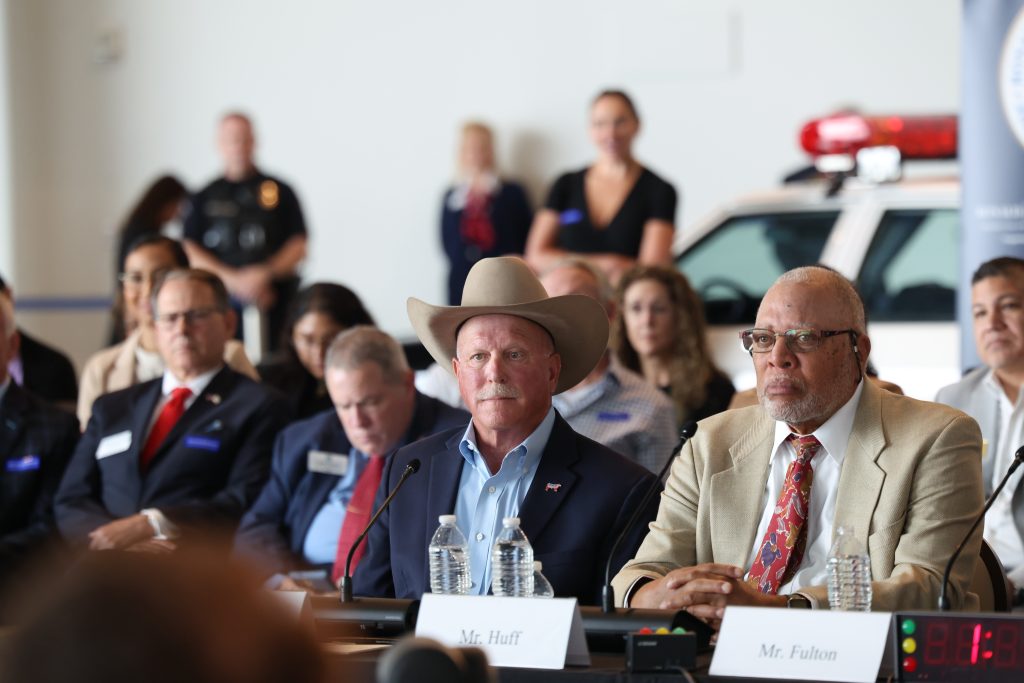
“For the estate tax, which we also fondly refer to as the Death Tax, my family over the last 30 years have spent tens and tens of thousands of dollars trying to plan legal expenses, plan for mitigating the different rates and exemption amounts over the years. Now with the permanency of having a baseline indexed-up, we can plan and wisely try to transition for our generational family ranching operation. I can’t overstate how big that is to have that certainty and knowing what the limits are going to be, and at the same time, hopefully we can have the discussion about full exemption in the future. It is hugely important to my family and many other ag operations, family-run businesses to have that permanency and certainty of what the numbers are so they can properly plan for future generations.”
At a field hearing in Georgia, Lisa Winton, a Georgia manufacturer based in a small community, shared how the 2017 Trump tax cuts, made permanent in the Working Families Tax Cuts, helped grow her business, enabling her to hire new employees, and buy American-made equipment:
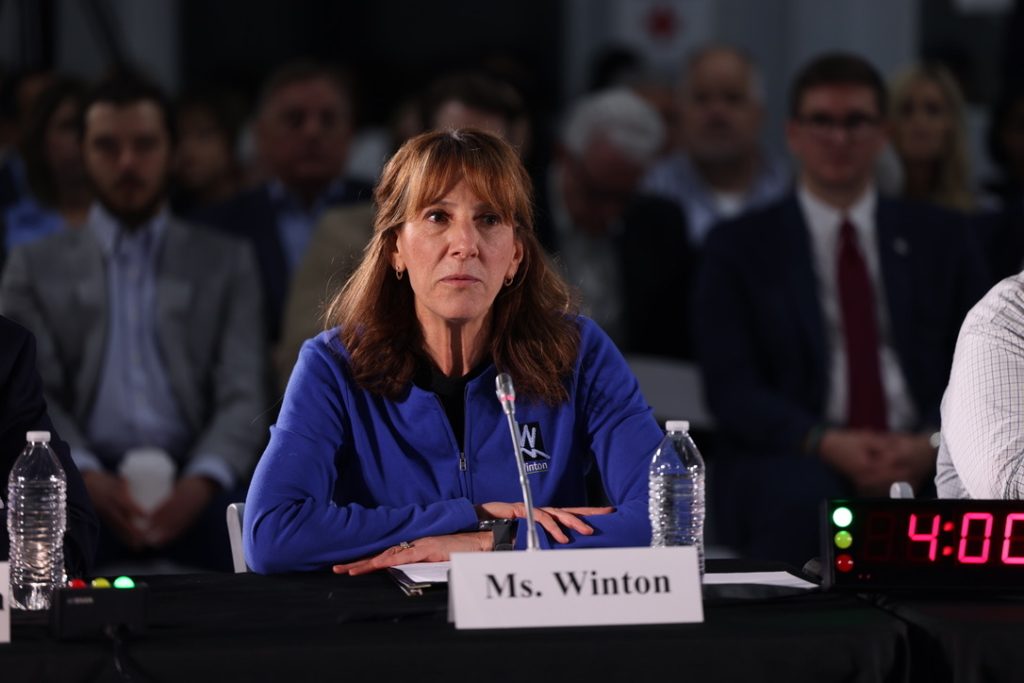
“In the year following passage of the Tax Cuts and Jobs Act, Winton Machine saw a 49 percent increase in sales, 53 percent increase in machinery shipments. We grew our overall labor payroll by nearly 150 percent and purchased a new, American-made CNC machine…”
During a West Virginia field hearing, Tom Plaugher, a lumber mill operator in a small town of 2,251, shared how 100 percent immediate expensing in the Working Families Tax Cuts help the rural economy:
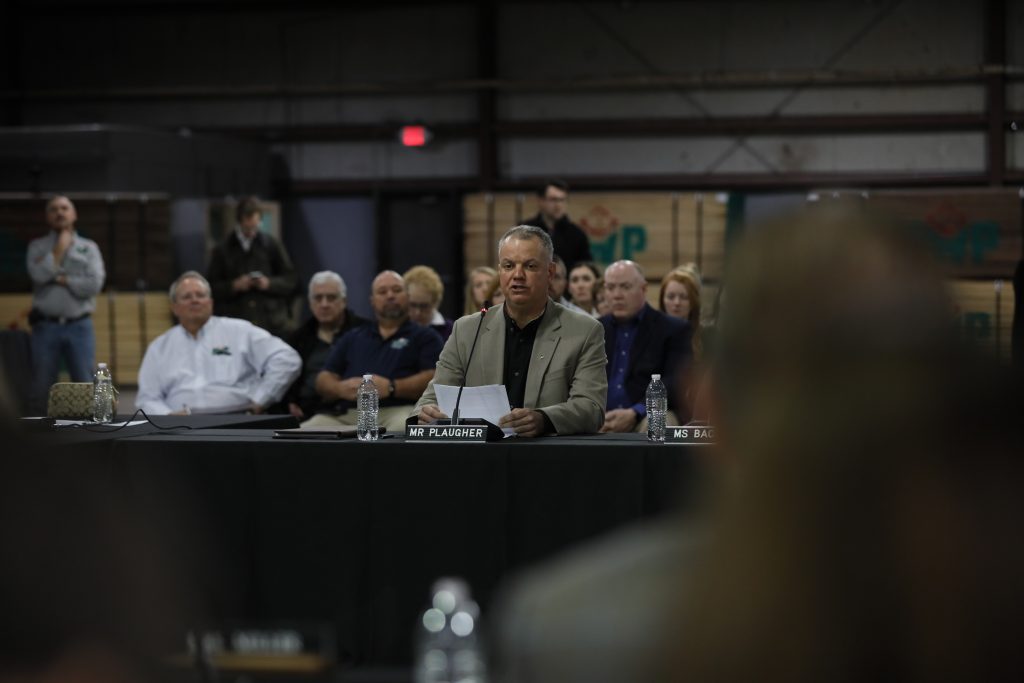
“I am a forester and a lumberman and probably pretty poor accountant. But just in general, the tax cut would be very beneficial to us, especially the bonus depreciation, the upfront depreciation. The line that is behind you is actually a test line for an automated lumber grading system. We will put the scanning equipment in place here in about 2 weeks. At the end of the day when we finish this line completely, it will be about a $5 million investment.”
Farmers and Ranchers Win Big in Working Families Tax Cuts
- Permanent Death Tax Exemption: Raised the Death Tax exemption to $30 million for a married couple, protecting more of the nation’s 2 million family farms from an outrageous tax bill.
- Permanent 20 Percent Small Business Deduction: 98 percent of American farms benefit from the 20 percent small business deduction, which the Working Families Tax Cuts made permanent.
- Lower Borrowing Costs for Farmers: Reduces the tax burden on interest income for loans secured by real property for agricultural production.
- Opportunity Zones in Rural Communities: Reforms the Opportunity Zone program so more rural areas benefit from new job-creating investment, helping drive an estimated $100 billion in investment to rural and underserved areas.
- 100 Percent Immediate Expensing: Allows farmers, ranchers, and rural producers to immediately expense the cost of machinery and equipment, like combines, harvesters, and tractors.
- Raising Small Business Expensing: Family farms, many of which operate as small businesses, can immediately expense $2.5 million of capital purchases annually, doubling the limit prior to the Working Families Tax Cuts.