BRADENTON, FLORIDA – Outside an osteopathic medical school on a sunny Florida morning, the Ways and Means Health Subcommittee heard from local Florida medical providers about the need for greater access to preventive care – particularly for patients facing chronic disease. Doctors shared how a broad array of techniques and treatments, including nutrition, lifestyle changes, telesurgery, and other wellness-based solutions, have transformed the health of their patients. Much of the discussion focused on identifying the barriers to preventive care, including insufficient patient and doctor education and misaligned Medicare reimbursements. Only three percent of Medicare dollars are spent on preventive care, while 6 in 10 Americans have at least one chronic disease, like diabetes, hypertension, and cancer.
Early Cancer Screening Means Early Detection, Treatment, and Even Cures.
The diagnosis of late-stage chronic diseases such as cancer is devastating for patients and expensive for both patients and taxpayers. Early screening would help avoid the high costs of managing late-stage diseases by detecting and treating them earlier. The Ways and Means Committee has taken the lead in investing in early screening by passing the Nancy Gardner Sewell Medicare Multi-Cancer Early Detection Screening Coverage Act, providing Medicare beneficiaries with access to innovative screening tests to catch and treat cancers before they progress.
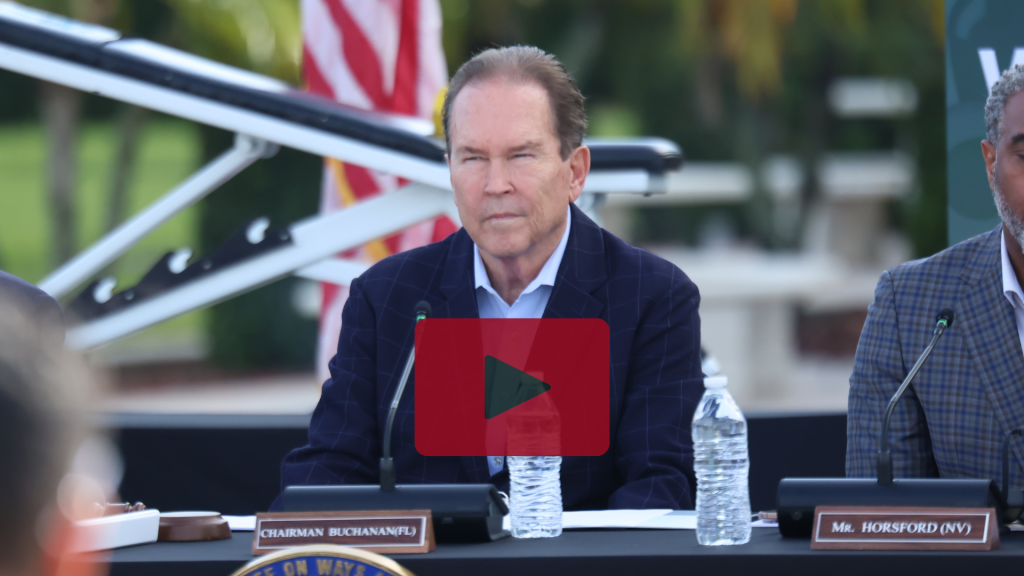
Rep. Vern Buchanan (FL-16): “I believe screening is a critical component of preventing diseases…if they catch cancer early, there is a good probability you could take advantage and live a normal life for a long time…We have got to do a better job of educating and getting people out there to make sure they are doing the right things.”
Dr. Patrick Hwu, CEO of Moffit Cancer Center: “You are absolutely correct. If we can screen and catch a cancer early, we can cure the cancer. I treat melanoma…If we catch it early and cut it out, it is almost always cured at an early stage. The key is to catch these cancers early.”
“Health Care Should Not be a System That Profits When People Get Sicker”
Federal reimbursement policies incentivize medical professionals and insurers to provide treatment at a cost that escalates with the severity of the illness or disease. As patients become progressively sicker, health care providers generally are reimbursed more from the federal government. Consequently, less attention and lower insurance benefits are provided to preventive services that do not result in as much revenue or profit.
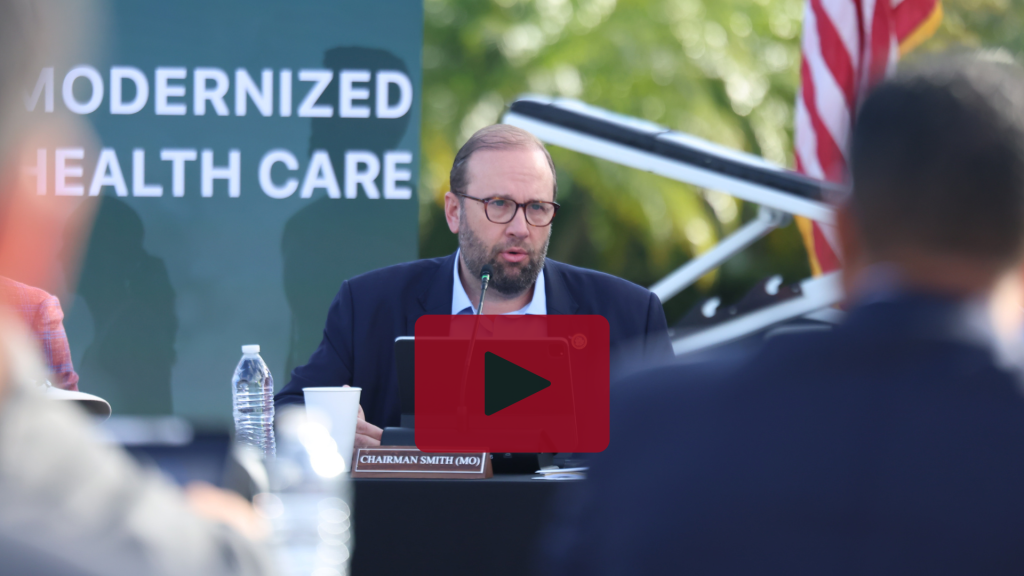
Chairman Jason Smith (MO-08): “Mr. Davis, I wrote down your statement; I thought it was so spot on: Health care should not be a system that profits when people get sicker. You have the leader of some of the biggest health care entities saying that ‘Remember health care will follow the dollar,’ but if we don’t use the dollar to provide preventive care but provide it whenever you are very sick, where are they going to place their money?…Dr. Davis, can you share how you are practicing what you are preaching and encouraging prevention, not just as a physician but as an employer with your own team? And what are the challenges and opportunities you see that would facilitate more widespread investment in preventive medicine?”
Dr. Christopher Davis, Founder, Reveal Vitality and Longevity Institute: “This is a very important question with respect to what has been prioritized from a reimbursement perspective. Years ago, when I was practicing interventional cardiology, I remember making flyers to do peripheral vascular procedures, because they pay $15,000 or $20,000 a procedure. The truth of the matter is, we do the procedure and six months later they come back and it is another $10,000 to $15,000, and six months later they come back and it is another $10,000 to $15,000, because we never looked at the underlying root causes of those disease processes…I think about those days now and think about where that money could be spent, with the things that we are doing with an education perspective and all of the other things that we are doing in my practice right now with the right testing…What we are paying for and what we are not paying for, the values are all wrong.”
Robotic Surgery Expands Access to Surgery and Helps Patients Recover Faster
Technology-assisted surgeries, like robotic or telesurgery, hold great promise for preventive surgeries like bariatric procedures that put patients on a better health trajectory. The new technology could be especially helpful for rural patients who could have more access to specialized surgical care. A bariatric surgeon touted the speedier post-operation recovery period for robotic surgeries.
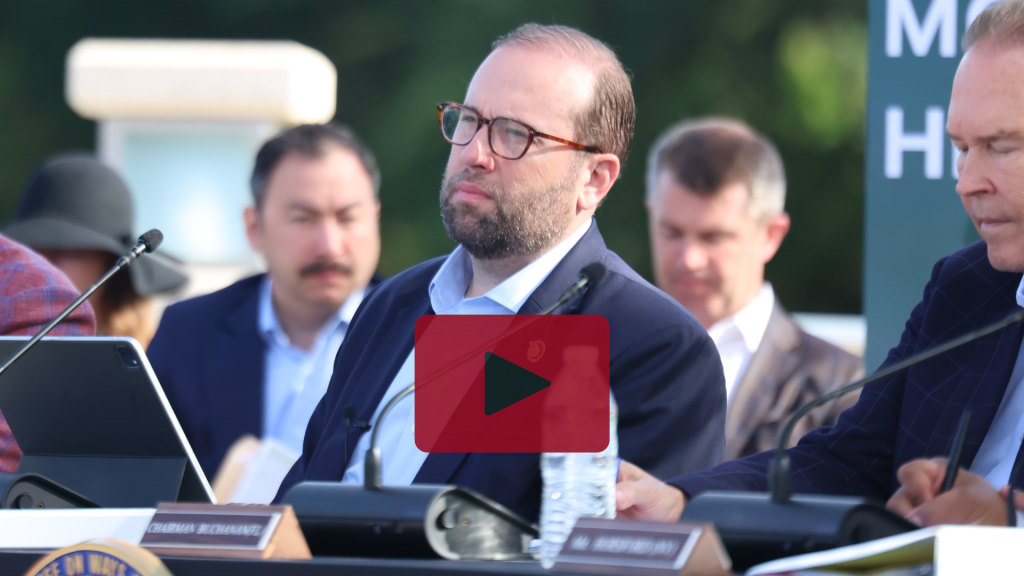
Chairman Smith: “I am hopeful that, in the future, digitally assisted and robotic surgery has the potential to bridge geographic disparities in care access and make procedures safer and more predictable. Tell us about your experience with robotic surgery and what prompted you to undergo training to perform surgeries using robotic technology. Additionally, where do you see this technology going in the future to eliminate access disparities and encourage innovative technology in more rural areas?”
Dr. Stelio Rekkas, Medical Director, Manatee Surgical Alliance:“I mean, it is a truly amazing time that we live in. There is so much technology and access to things that we have. Robotic surgery has been an amazing tool for me as a surgeon. I love the idea of pairing current technology with helping patients.
“What got me interested in robotic surgery was the outcomes. We are doing surgeries on patients for colon cancer, for example, that used to stay in the hospital for 7 to 10 days that are now going home in 1 to 2 days. I never thought that would be possible. We are actually doing bariatric surgeries faster, and I never thought that would be possible, because of the robotic technology.”
“Stop Waiting for Disease…Ask Not Just What Was Happening, But Why It Was Happening?”
Medical providers often settle for a diagnosis without a thorough examination of the patient’s lifestyle factors that may have contributed to their health condition. A focus on the “What” and “How” to the detriment of understanding “Why” led one witness to completely change his approach to patient care and open a new practice emphasizing the connection between a healthy lifestyle and environmental and physical health.

Dr. Christopher Davis, Founder, Reveal Vitality and Longevity Institute: “We have unintentionally created a system where patients often feel powerless. They are told what they have. They are given prescriptions, but they are rarely given an understanding. They are rarely given a roadmap. They are rarely taught why their disease developed in the first place. And they are rarely empowered to take control of their own health.
“That realization changed everything for me. I had to start over…A simple but radical idea guided that decision: What if we stop waiting for disease and started identifying risks before it became irreversible? What if we ask not just what was happening, but why it was happening? What if we taught patients how nutrition, sleep, movement, stress, toxin exposure, and other lifestyle factors directly influence the development of this chronic disease?”
“Have to Prioritize Primary Care”: Rural Areas Need More Medical Residents
Primary care doctors educate patients, offer medical advice, perform physicals, and do various activities that ward off chronic disease. Unfortunately, rural areas suffer from a shortage of all types of doctors, including primary care, and to add insult to injury, rural areas get comparatively fewer medical residents. The medical professional shortage contributes to higher rates of chronic disease and mortality for rural Americans. More residencies in rural communities could help rebuild the number of medical professionals practicing in these areas.
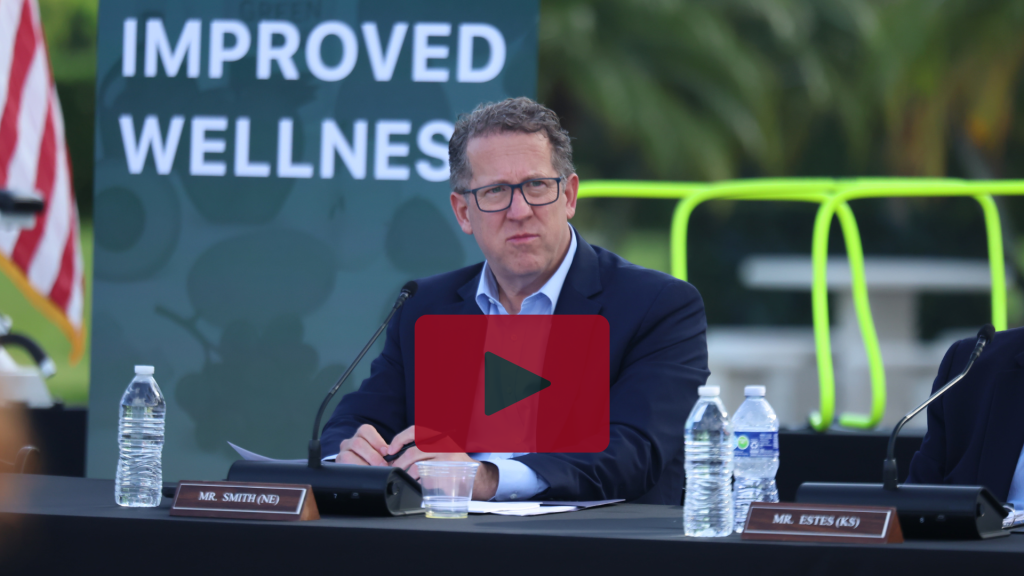
Rep. Adrian Smith (NE-03): “We are kind of in the season of Match Day right about now and roughly five percent of the graduates won’t match. Those are highly qualified students who not only got into medical school, are about to graduate, and they are kind of in limbo…The biggest funder of GME [Graduate Medical Education] is Medicare…What could we do better inside Medicare, even outside Medicare, to be more efficient at pairing medical graduates with opportunities when we know there is such a vast shortage of providers? How can we do it better?”
Dr. Mark Kauffman, Dean of Academic Affairs, Lake Erie College of Osteopathic Medicine: “It goes back to the allocation of residencies. We have to prioritize primary care. We have to prioritize the location of those residencies in the areas that they need to be. Osteopathic medicine has a background of developing in rural America. It’s truly the only physician practice that is born right here in America and that was rural, so that’s been a focus on primary care from the very beginning. There are caps on residency. What about the possibility of raising caps in these areas that are restricted because it is a rural area?…If they train there, they’re going to go to residency there, and then they’re going to stay in the communities.”
“I Have to Fight for My Patients to Get a Referral for a Dietician”: Insurance Pays for Treatment Not Prevention
Too many Americans lack knowledge about nutrition, exercise, and other lifestyle choices needed to stay healthy and prevent the development of chronic disease. Medicare and private insurance plans more often cover treatments but do not cover the patient education that could help individuals make healthy decisions that avoid chronic disease.
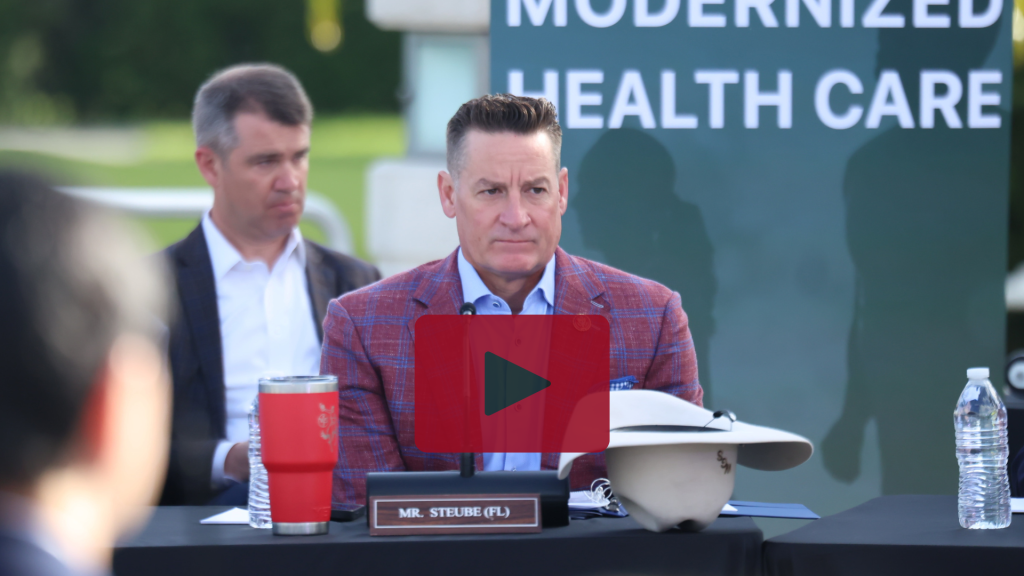
Rep. Greg Steube (FL-17): “Conservatives believe that patients should be empowered to take charge of their own health, not trapped in a system that only pays once disease has advanced. How can we design better rewards for individuals who engage in preventive screenings, nutrition programs, exercise, and chronic disease compliance?”
Dr. Stelios Rekkas, Medical Director, Manatee Surgical Alliance: “I think we really need to focus on prevention, and I do think we need to make sure patients take care and take part in their own health care, but we have to incentivize them. Why can’t we do things like … rewarding them for taking part in preventive health care? We have a system now that will pay for diabetic medications. They’ll pay for high blood pressure medications. But I have to fight for my patients to get a referral for a dietician to teach them what a calorie is, what a protein is. We have to push the responsibility on the patient to some degree, but also reward them by helping them make good choices and by doing so, it’s going to help the problem overall.”
Obesity Epidemic Puts Heavy Strain on Nation’s Finances
Forty percent of American adults are obese, which puts them at greater risk for chronic disease. Obesity is expected to cost the nation roughly $9 trillion in additional medical expenses over the next ten years, making the obesity epidemic both a physical and fiscal issue. One witness testified that providing obesity treatment to more Americans would reduce the long-term cost of the epidemic and help Americans reclaim their health.
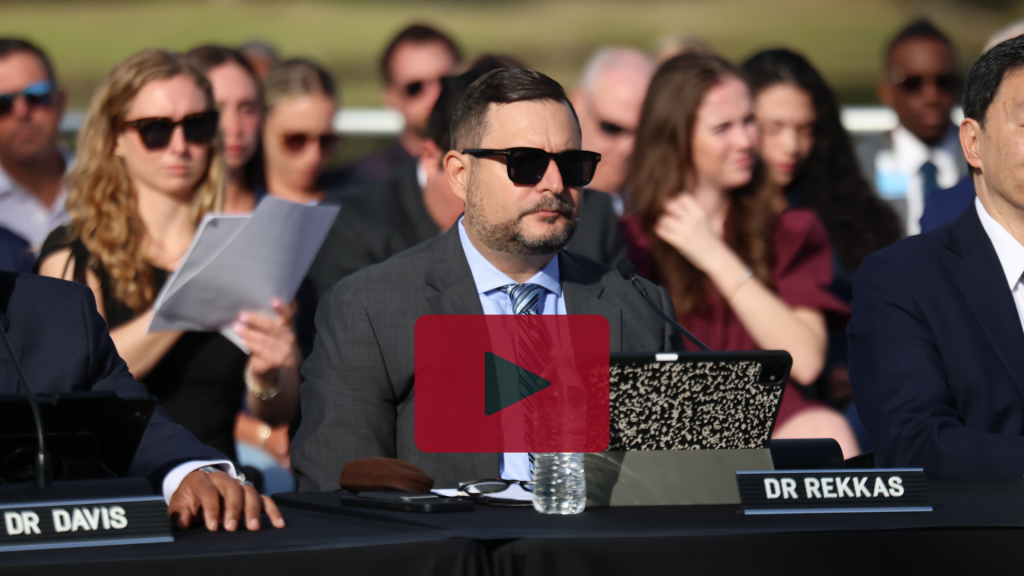
Dr. Stelios Rekkas, Medical Director, Manatee Surgical Alliance: “We need to expand access to proven bariatric treatments. Bariatric surgery is one of the most effective and durable treatments for severe obesity. Yet access remains limited by insurance restrictions and referral barriers. Expanding access would improve outcomes and reduce long‑term costs…
“If we want to improve healthcare and control long‑term costs, we must treat obesity as a chronic disease, expand access to effective treatments, and intervene earlier. We must apply the same clinical rigor to obesity that we apply to diseases like cancer and heart disease. We have the treatments, but access, not science, is now the limiting factor.”