WASHINGTON, D.C. – The World Trade Organization (WTO) 14th Ministerial Conference in Cameroon will provide opportunities to advance U.S. trade priorities. However, the international organization’s structure and rules impair its ability to be fully effective in promoting fair treatment of U.S. workers and producers, witnesses warned at a Ways and Means Trade Subcommittee hearing.
Republican and Democrat Members of the Committee expressed support for a permanent e-commerce customs duty moratorium: a ban on tariffs on data, that remains a point of contention among nations at the WTO. If left unaddressed, such tariffs would uniquely harm the United States, as the world’s leading innovator. After the Biden Administration’s failure to affirm longstanding U.S. support for a permanent moratorium, the Trump Administration is restoring American leadership on this front and secured individual commitments from several nations to support a permanent moratorium. The moratorium has been extended multiple times on a temporary basis, repeatedly putting America’s technological leadership and innovation at risk. Other U.S. priorities for the Ministerial Conference include fairer treatment of American agricultural exports and a continuation of U.S. advocacy for structural reforms to the WTO.
“We Don’t Have a Meeting of the Minds”: WTO’s Purpose at a Crossroads
The WTO has failed to resolve trade disputes between its 166 member countries, hampered by a dispute settlement process that has been dysfunctional for decades. The WTO’s large membership, where each member has a veto power, has led to paralysis and a lack of progress in developing new rules that address longstanding U.S. trade concerns. In light of the organization’s structural limitations, expert witnesses largely supported the Trump Administration’s view that while the WTO can continue to provide a meaningful forum for discussion among trading partners, the focus should be on realistic and tangible outcomes.
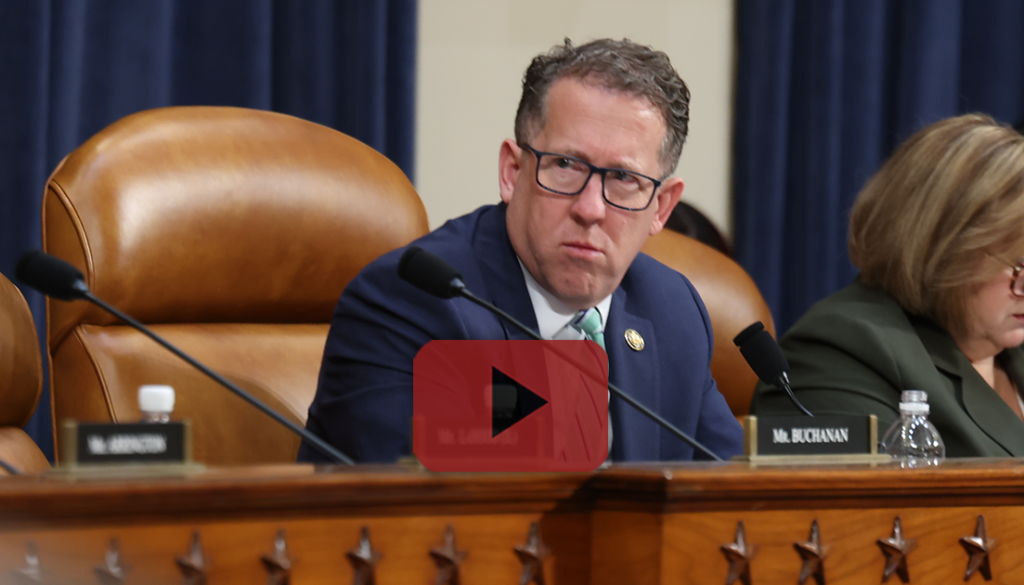
Rep. Adrian Smith (NE-03): “Ms. Shaw, do you see this as a live issue? Does that remain, or have WTO members just accepted that the WTO offers more value as a negotiating forum rather than an international court?”
Kelly Ann Shaw, former Trump Administration trade official: “I should start by saying that the US has been pursuing dispute settlement reform since 2001…I was a negotiator for the United States for three years between 2011 and 2014, so these are not new issues. But I think the real challenge with dispute settlement is there’s not a meeting of the minds between the member states as to what they want. The Europeans want an international court. The United States wants a body that is going to resolve the dispute between the two members and not create this broad precedent that’s going to infect negotiations or impair our regulatory space. So without a meeting of the minds, I think we probably are in the best position we can be, which is by blocking the reappointment of appellate body members, we’ve really sent the message to the WTO that judicial overreach shouldn’t happen. What we’ve seen in subsequent reports, both at the panel stage as well as this international appeal mechanism that other countries have created, is much more disciplined reports. From my perspective, I think we’ve come as far as we can. Unfortunately, we just don’t have a meeting of the minds of what this dispute settlement system should really look like.”
Trump Trade Agenda Securing Leverage for American Agriculture
In theory, the WTO is meant to reduce trade irritants between nations by establishing a widely adopted set of rules that major trading nations all comply. The reality is that a subset of spoiler countries often manipulate or ignore those rules where it benefits national interests. The WTO’s structure and size frequently impair members’ ability to address policies and practices that violate or otherwise undermine these rules. The United States has struggled, for example, to address India’s public rice stockholding at the WTO. This unfair set of policies makes American rice, some of which is grown in Ways and Means Committee Chairman Jason Smith’s congressional district in Missouri, artificially uncompetitive. The Trump Administration’s new Section 301 investigations and tariffs that may result from those investigations create leverage for American producers and farmers outside of the WTO. The U.S. government should continue these efforts and pair them with ongoing engagement at the WTO to ensure foreign nations to treat American producers fairly.
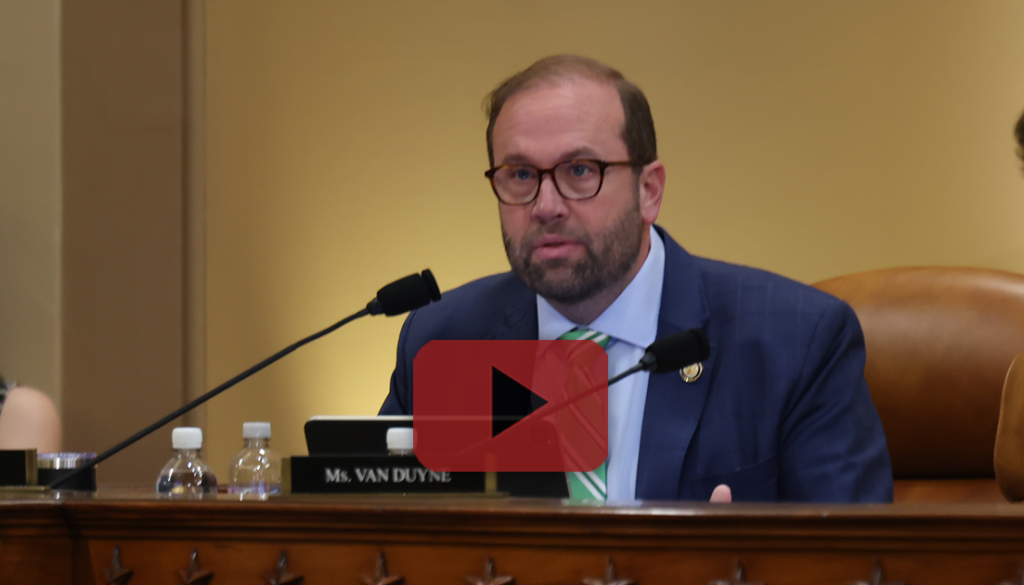
Chairman Jason Smith (MO-08): “The Trump administration has made substantial progress in its initial trade negotiations with India, but India’s behavior in the global rice market continues to be a problem. Where do you see the Administration being able to secure an advantage in negotiations over U.S. rice exports with India, and where in our global trading partnership, do you see a model for successful negotiations on this front and/or additional work with other nations that is needed?”
Peter Bachman, President and CEO, USA Rice Federation: “I think what we see coming down the pike is more opportunity to gain leverage over India through what the Administration announced last week with Section 301 investigations into forced labor and global overcapacity. Both of those are targeting India and both of those are areas where India is producing rice with forced labor, and they’re also overproducing rice, manufacturing and exporting it around the world. We also hope to see a rice-specific Section 301 investigation that would look at India’s unfair trade practices and use those as a durable source for protecting the U.S. rice industry and gaining additional leverage over India moving forward. I think we’re going to have to see multiple nations come together to address the problem with India when it comes to rice and wheat subsidies. The U.S. announced its latest, its fourth counter notification at the WTO yesterday for rice and wheat subsidies, and we had several co-sponsors. We’re going to need to see continued efforts there to take an actual dispute settlement case against India, jointly with other countries. We’re going to need to see some sort of enforcement through tariff action in the United States to keep that leverage.”
U.S. Producers Reaping Rewards of Trump Administration Trade Actions
In addition to congressional trade action, the Trump Administration has aggressively advanced the interests of American producers, farmers and ranchers in its trade policies. President Trump’s aggressive bilateral negotiations with our trading partners have torn down many tariff and non-tariff barriers in the 15 months of his second term.
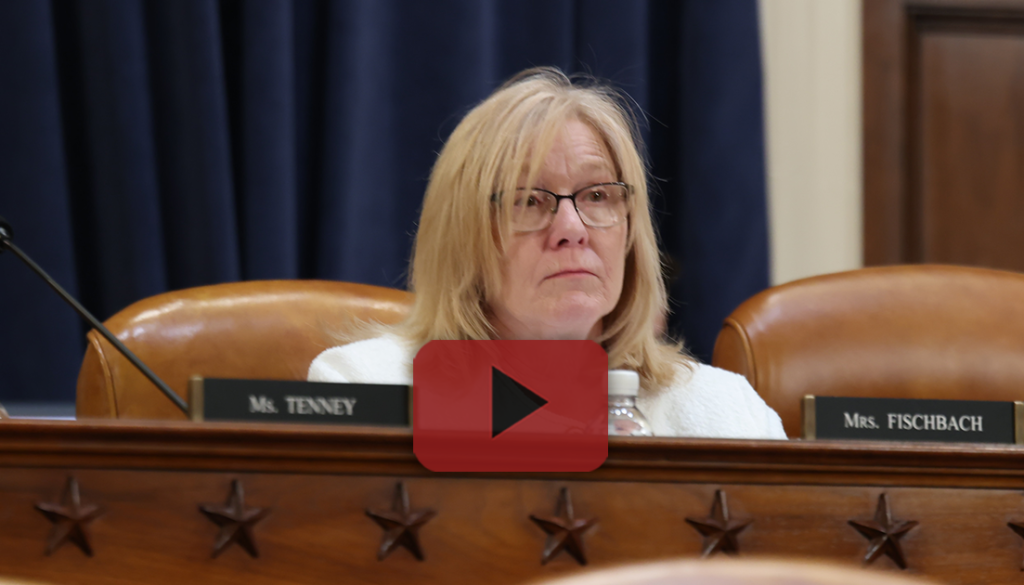
Rep. Michelle Fischbach (MN-07): “If the WTO cannot meaningfully address the distortions that are happening, particularly in countries that refuse to address non-tariff barriers, what tools should Congress and the administration consider to protect U.S. farmers while still supporting a rules-based trading system?”
Peter Bachman, President and CEO, USA Rice Federation: “I think that it would be helpful if Congress continued to support the Administration’s use of tools like Section 232 and Section 301 investigations to be able to use legally durable tariffs as leverage in order to get better agreements, bilateral agreements across the finish line. We’ve already seen the success of some of those over the last year, and I think we’re going to continue to see many more in the next couple of months that benefit U.S. agriculture and other manufacturers.”
“We’ve Never Had Leverage Like That Before”: Trump Administration Shakes Up the WTO
U.S. concerns at the WTO remain unaddressed after years of engagement, with little progress toward satisfactory outcomes that advance American interests. The Trump Administration’s bold trade approach has pressured other countries to engage more substantively on the need for reform at the WTO. Producers, farmers, and manufacturers benefit when U.S. interests are treated fairly by international organizations.
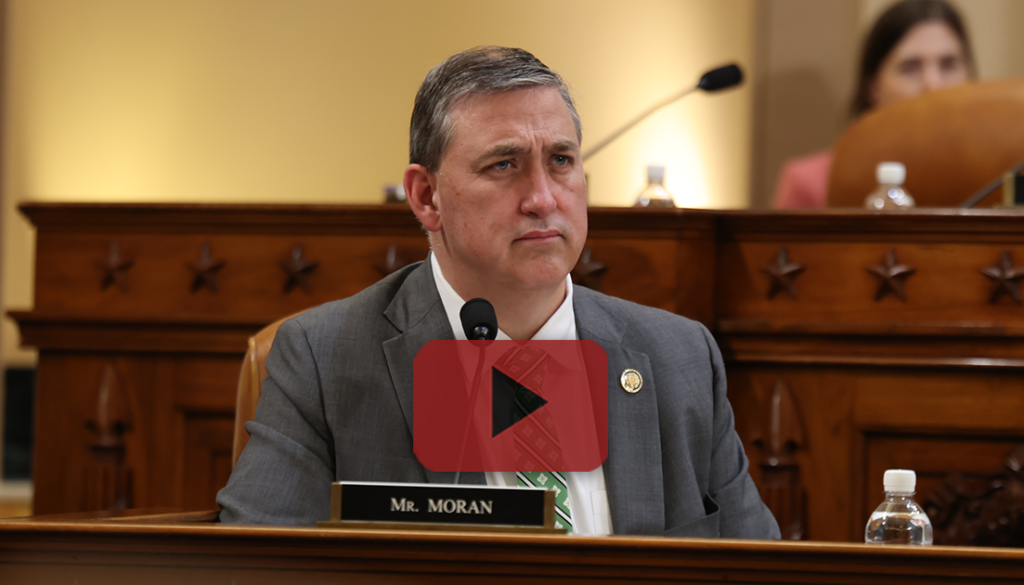
Rep. Nathaniel Moran (TX-01): “Its structure has been very difficult for us to get the results that we need that actually support American ideals, not undermine them. You said…that we’ve been working on proposed reforms for 25 years in the WTO without really getting anywhere that we needed to get with those reforms. Specifically, what do you think we need to do differently to achieve the results and the changes we need from within the WTO, without expanding its scope or what it can handle, but actually the things that it is currently handling. How do we make it do better?”
Kelly Ann Shaw, former Trump Administration trade official: “I actually think some of the steps the President has taken in the last year have already helped. We were talking earlier about the fact that the President got other countries through these bilateral negotiations to agree to reforms at the WTO. We’ve never had leverage like that before, and we’ve used it to better the institution and the organization. I think that’s one way to make progress.”