WASHINGTON, D.C. – At a Ways and Means Oversight subcommittee hearing on organ procurement organizations (OPOs), Americans shared shocking stories of organ donations gone terribly wrong, and testimonies that highlight the need for greater accountability and transparency. A Missouri woman spoke about how she watched her mother die shortly after receiving a liver that was infected with cancer while a former OPO employee pulled back the curtain on an instance where an OPO tried to procure organs from a patient who regained consciousness.
The hearing comes amidst a months-long Committee investigation into questionable practices by tax-exempt OPOs that has revealed troubling clinical practices, misuse of taxpayer dollars, and questionable financial practices. In addition to life-threatening failures, investigations have unveiled instances of waste, fraud, and abuse by OPOs across the country. Worse, the Committee’s investigation found that 18 of the 21 most profitable OPOs fall in the lowest-performing tiers, as established by the Centers for Medicare & Medicaid Services (CMS). The hearing took place one day before the deadline the Committee set for another OPO, the New Jersey Sharing Network, to produce key documents and schedule transcribed interviews.
Expert: Reports Show Some OPOs Have Wrongfully Interfered with Determination of Death
Federal investigations have uncovered evidence of certain OPOs interfering with the determination of death for organ donors, even though hospitals hold that responsibility. An incorrect determination contributes to the wrongful recovery of organs, as shown in a Health Resources and Services Administration (HRSA) report.
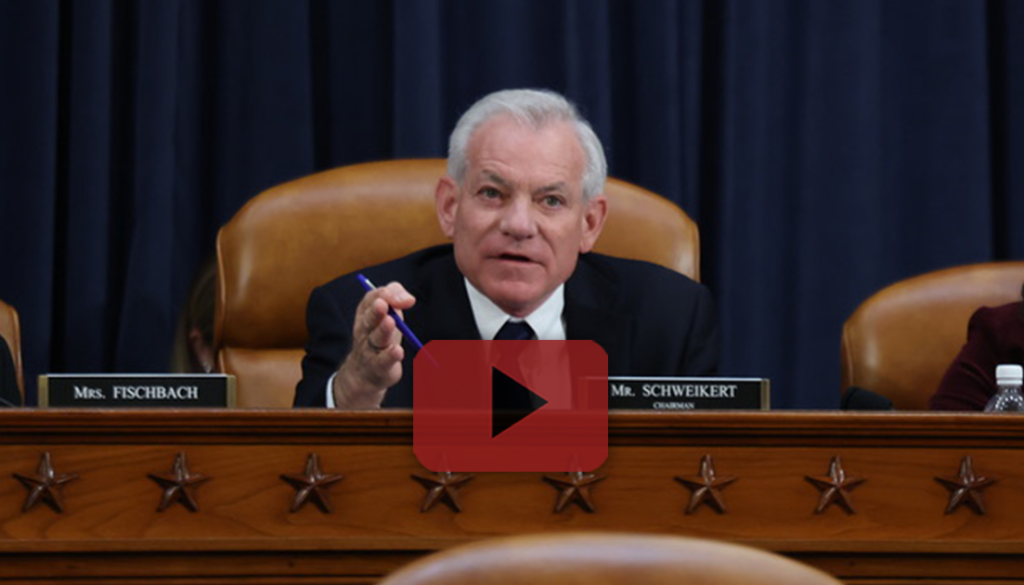
Rep. David Schweikert (AZ-01): “In the hierarchy of a decision if someone has passed away…it is the hospital that makes that decision, correct?”
Jennifer Erickson, organ donation policy expert: “It is the hospital that declares death. One of the things that has come out through the HRSA’s detailed report about Network for Hope and KODA [Kentucky Organ Donor Affiliates] in Kentucky is that often OPO staff get involved in that decision-making process in ways that they should not.”
Former OPO Employee Calls for Congress to Build Public Trust in Organ Procurement System
Recent misdeeds by OPOs have damaged public trust in a vital system that thousands of families rely on each year. As a result, organ donors are removing their names from donation lists, potentially denying Americans the organs they desperately need. A former OPO employee highlighted the need for Congress to improve transparency, accountability, and informed consent for donors as means to restore public trust.
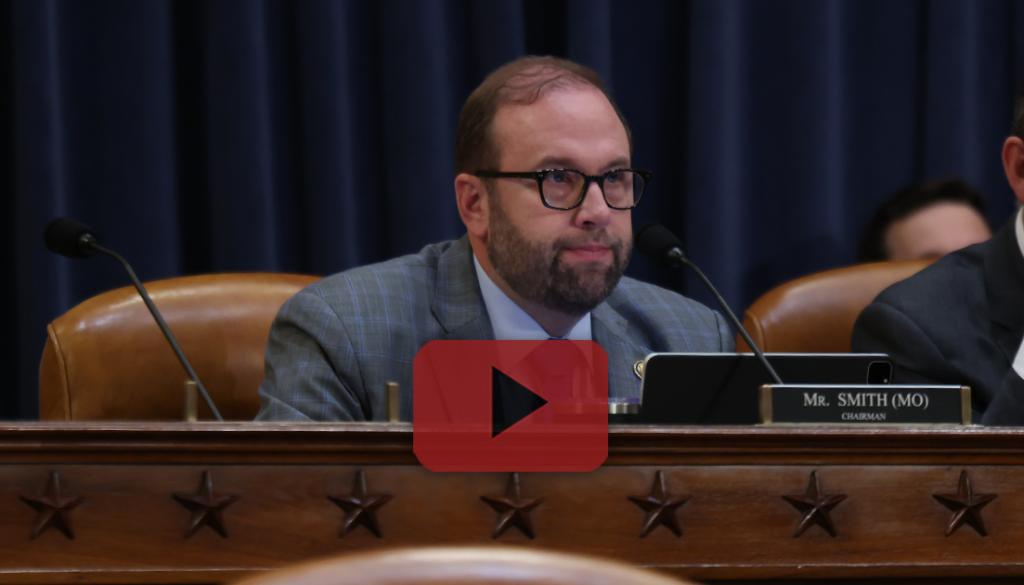
Chairman Jason Smith (MO-08): “What sort of reforms would further improve OPOs so folks are willing to donate and participate freely in the system?”
Nyckolleta Martin, former Kentucky OPO employee: “…I think this has to start from regaining public trust, and the only way to do that is to have transparency and accountability, and for Congress to continue working with other legislative bodies and law enforcement specifically to make sure that these people are held accountability for what they’ve done, so that it doesn’t happen in the future. Then, we can show the public that we see the problems, and we’re working on them. The public should have more informed consent. They should truly understand what they’re signing up for when they sign up to be an organ donor, because organ donation is so important, and we need it so badly. Thousands of people are dying, but also thousands of people are taking their name off the organ donation registry, so we have to fix that.”
Missouri Woman: My Mother Received a Cancer-Ridden Liver That Shortened Her Life
A Missouri woman shared the tragic story of her mother’s kidney and liver transplant. Because of a mistake during donor screening, her mother received a liver with advanced cancer and a kidney with a cyst. Her mother’s quick decline and eventual passing three months later was a source of tragedy for her family. Sadly, other families have experienced similar tragedies during the organ donation process that put the patient’s life in danger.
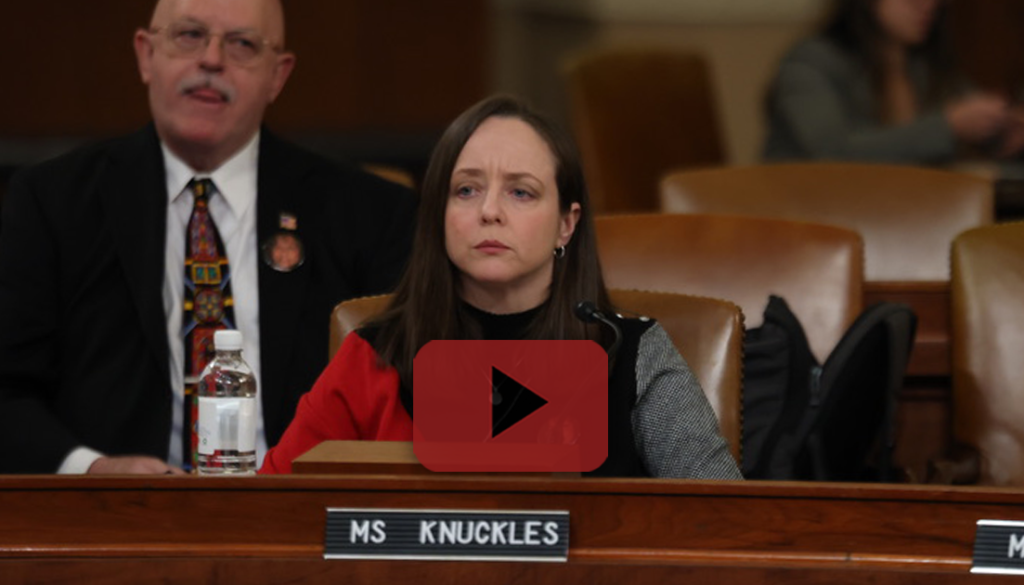
Heather Knuckles, daughter of organ recipient: “On October 30, 2022, my mother underwent the liver and kidney transplant at Barnes Hospital in St. Louis with organs procured by Mid-America Transplant…On November 3, transplant surgeons informed us that the donor liver contained high-grade metastatic cancer that was not reported on the donor records from UNOS [United Network for Organ Sharing], but was discovered by the transplant hospital…Our dreams were shattered. Fear and sadness washed over my mother’s face. She was re-listed for transplant. Surgeons decided to not replace the donor kidney, even though its condition was questionable due to a large cyst at the time of transplant. My mother underwent a second liver transplant on November 8, 2022. She was extremely fragile. Afterwards, she hallucinated for days and suffered delirium. Occasionally, her wrists were restrained for safety. This was heartbreaking. By late November, she was transferred to the St. Louis Rehab Institute, and she remained unable to walk and was jaundiced…
“The transplant surgeon informed my father and I that based on the appearance of a CT scan and fluid testing the liver was cancerous. This confirmed the doctor’s earlier suspicion that the cancer was transplanted from the first liver…Following the passing of my mother, we suffered nearly three years as this horrific ordeal was ignored.”
Former OPO Employee: Stories of Organ Harvesting on People Who Have Regained Consciousness Indicates National Pattern
Some of the most shocking stories from OPOs are attempts at organ recovery even when potential donors regain consciousness. The Committee’s investigation into the New Jersey Sharing Network revealed an instance of the OPO proceeding with organ recovery from a patient who reanimated during the recovery process. A former OPO employee from Kentucky shared a similar story of her former employer proceeding with the organ recovery process even though the patient met the OPO’s own criteria for showing signs of life.
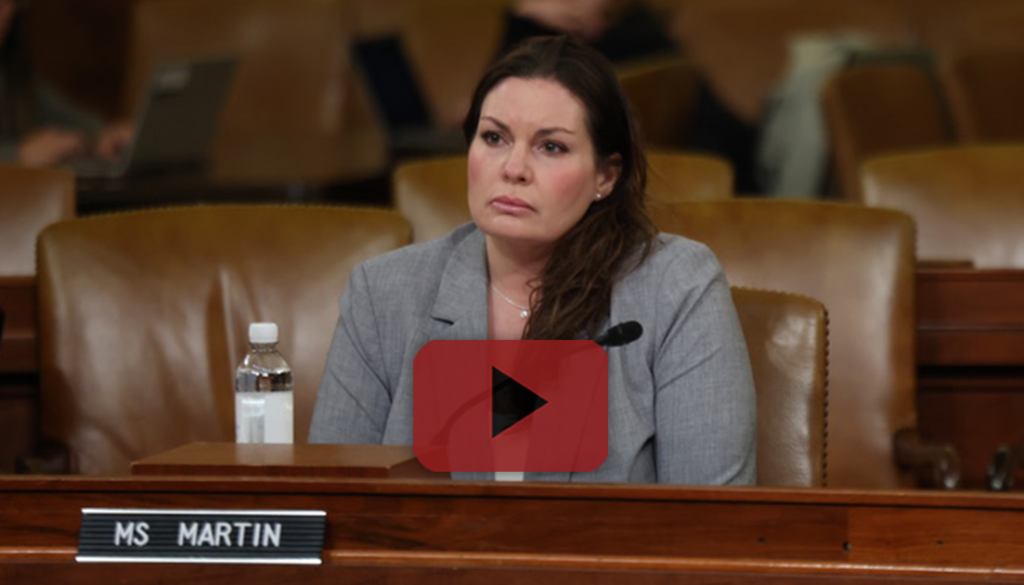
Nyckolleta Martin, former Kentucky OPO employee: “In 2021, T.J. Hoover was brought to the hospital in cardiac arrest…T.J. had remained unresponsive for several days, regaining consciousness during his cardiac catheterization. Immediately upon waking, he was paralyzed and sedated. Hospital staff described the situation as inhumane and akin to human euthanasia. The cardiologist present advised T.J. should have never been given a grave prognosis with no meaningful recovery, given his reflexes present. Despite being alert to these concerns, the OPO staff returned T.J. to the ICU without performing the required neurological exam that should have been repeated. Even more alarming, and to the best of my knowledge, the family was never informed that T.J. had regained consciousness and had shown meaningful emotion and purposeful movement. Under my former employer’s own protocol at that time, the case should have been halted immediately once neurological function improved. The failure to do so represents a profound breach of medical standards and ethical responsibility…
“This experience resonated when I read this committee’s letter to the New Jersey Sharing Network. The parallels between those whistleblower allegations and my own are unmistakable patterns of concerning organ recovery practices, document destruction, and retaliation against those reporting legitimate concerns, highlighting systemic failures that demand urgent accountability and reform.”
Taxpayers Are on the Hook for Botched Organ Procurements
The Ways and Means Committee has highlighted instances of OPOs overbilling Medicare for costs that do not qualify for reimbursement such as executive compensation, lobbying, meals, and entertainment. Medicare reimbursements to OPOs, including those with documented issues or whistleblower complaints, means taxpayers indirectly pay for unethical or life-threatening behavior.
Rep. Aaron Bean (FL-04): “Who pays? Who is the payer when it comes to organ transplants?”
Jennifer Erickson, organ donation policy expert: “The largest single payer is Medicare, so the taxpayer.”