WASHINGTON, D.C. – At a Ways and Means Tax Subcommittee hearing on global economic competitiveness, tax experts applauded the working families tax cuts – enacted earlier this year by Republicans – for continuing and building on the pro-growth tax policies of the 2017 Trump tax cuts. The working families tax cuts made permanent successful reforms that ended the decades-long trend of American companies offshoring their jobs, tax revenue, headquarters, manufacturing, and research and development. Since the 2017 Trump tax cuts, the United States has not experienced a single corporate inversion. Long-run capital investment increased by 7 percent, of which 1.5 percent is directly attributable to the international tax provisions. The tax reforms protect the U.S. tax base, remove barriers to onshoring high-quality jobs, and reduce regulatory burden.
The working families tax cuts also spurred the nations of the G7 to agree to establish a framework that will respect existing U.S. tax law when it comes to international efforts to impose a new global tax regime. During the hearing, Ways and Means Committee Chairman Jason Smith (MO-08) warned other nations to respect the June agreement and quickly bring ongoing negotiations to a conclusion.
Smith Warns Pillar Two Global Tax Deal Must be Reached Soon
Ways and Means Republicans have sounded the alarm for years about the Organization for Economic Cooperation and Development (OECD) Pillar Two global tax deal that would surrender American tax sovereignty to foreign bureaucrats and cost the U.S. $120 billion in stolen tax revenue. During debate on this year’s tax reforms, the Committee approved a retaliatory tax on foreign countries that levy unfair taxes on American businesses and workers. In June, the provision led the G7 to agree to a framework for a deal that would create a side-by-side system to respect U.S. tax laws. Chairman Smith made clear that ongoing negotiations to finalize a side-by-side deal need to conclude soon. Otherwise, congressional Republicans may be forced to resume pursuing other options.
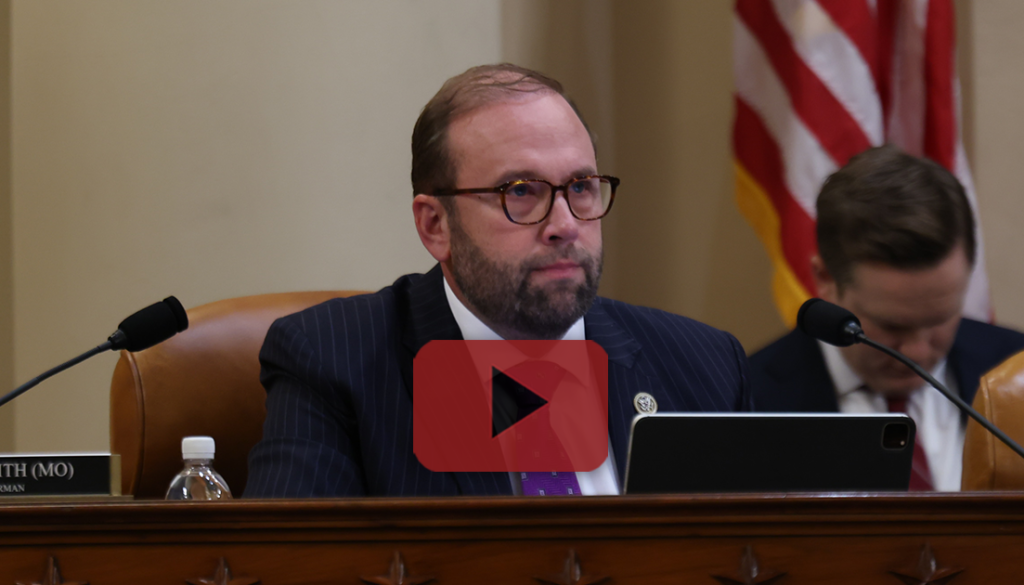
Chairman Jason Smith (MO-08): “I’d like to say a few words about ongoing Pillar Two negotiations and the side-by-side agreement. I applaud President Trump’s leadership that started on day one of his presidency with an executive order designed to stand up for American companies and American workers which was absolutely lacking in the prior administration. That executive order led to the Trump Administration working with Congress to craft retaliatory measures in the One Big, Beautiful Bill to protect American companies and workers from attempts to violate American tax sovereignty. I, along with Senate Finance Chairman Mike Crapo, agreed to remove those retaliatory measures from the bill when the G7 publicly stated its intent to move forward with a side-by-side system that respects U.S. sovereignty. I intend to see that June announcement through to the finish line, and the time for action is now.
“We expect to see the technical work that has been done in these negotiations move forward this week. We have been patient to allow for all negotiating parties to have the space they need to reach agreement, but they must reach agreement soon. As Chairman Crapo and I said in June: ‘We are committed to restoring Americans’ confidence in our representative government by putting America first. Congressional Republicans stand ready to take immediate action if the other parties walk away from this bill or slow walk its implementation.’ We meant it then. We mean it now.”
Working Families Tax Cuts Make U.S. Economy More Competitive
Prior to the 2017 Trump tax cuts, the U.S. tax code was uncompetitive and discouraged companies from investing, building, or hiring in the United States. Republican tax reform in 2017 – which has now been made permanent – significantly reformed the tax code so American companies stopped shipping jobs and operations overseas and brought more of their revenue back to the United States. Domestic investment grew by 20 percent after the original Trump tax cuts from new plants and facilities built in the United States.
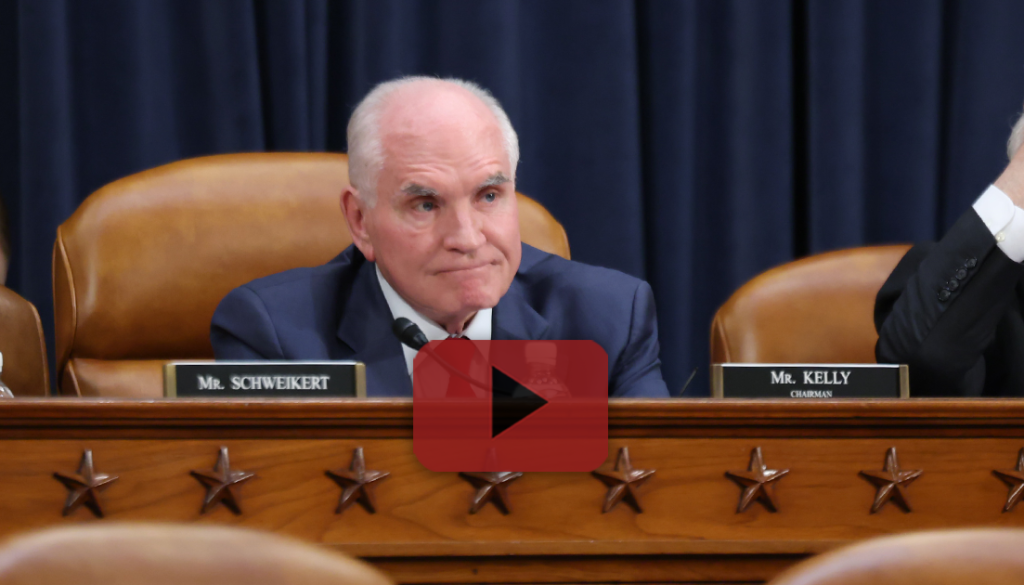
Tax Subcommittee Chairman Mike Kelly (PA-16): “If you can, speak a little bit on the working families tax cuts and how it improves on the international tax work done in the Tax Cuts and Jobs Act.”
Kevin Brady, former Ways and Means Committee Chairman: “I don’t think most people realize how bad our international tax system was, how damaging it was back home. We talk about inversions, but truth of the matter is, we were seeing whole plants pick up and move overseas, taking research, taking their headquarters, literally leaving these communities desolate, all because of a tax code that punished them for being here in the U.S…Our tax code was not only making it tough for our companies and our aggies and our manufacturers to win overseas, but when they did, they couldn’t keep those dollars. They couldn’t even bring those dollars home. The changes in the international tax code basically created the incentives in a giant sucking sound of research, intellectual property, manufacturing back in the United States. We saw investment, on average, grow 20 percent after the Tax Cuts and Jobs Act. We saw intellectual property, the revenue from companies bringing it back and keeping it here.
“I remember being in California about a year after we passed the bill with about 25 tech companies, all of whom you would know, as we went around this roundtable, every one of them had a story of either bringing the intellectual property back to America and the advanced manufacturing that goes with it, or the new IP they were developing they were keeping here in the U.S. as well.”
Permanent Pro-Growth Tax Policy Makes Moving Overseas “More Difficult to Justify”
Pro-growth tax policy, like lowering the corporate tax rate and establishing a global minimum tax, in the 2017 Trump tax cuts stopped corporate inversions and encouraged companies to bring investment, jobs, intellectual property, and tax revenue back to America. The reforms broadened the U.S. tax base leading to corporate tax receipts exceeding historic trends despite reduced rates. Last year’s receipts exceeded pre-TCJA projections for 2024 by 31 percent. The working families tax cuts made these reforms permanent and made several important changes, further incentivizing businesses to remain and grow in America.
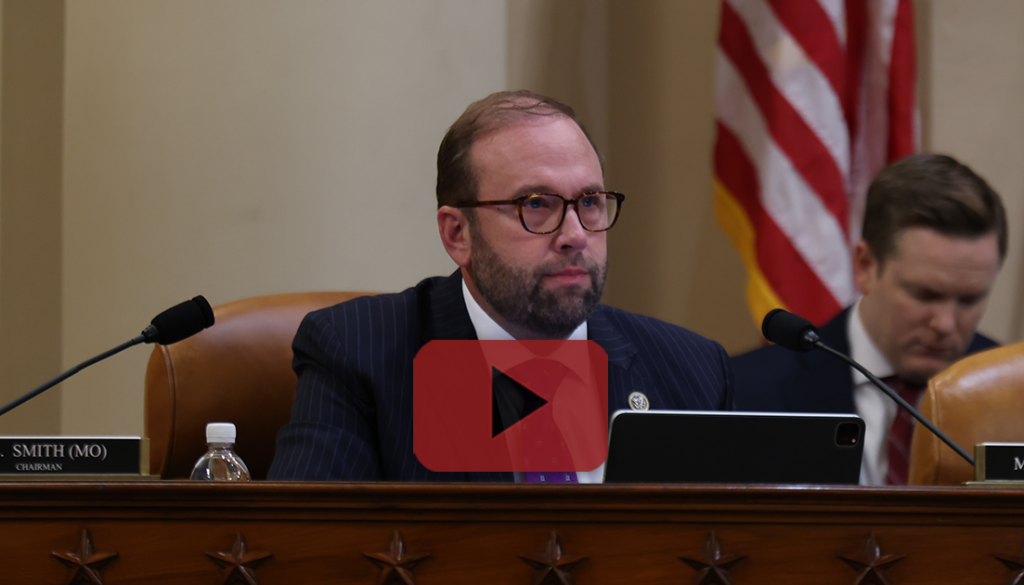
Chairman Jason Smith (MO-08): “Chairman Brady, how did the reduction in the corporate tax rate to 21 percent from an uncompetitive 35 percent coupled with reforms like the Global Intangible Low-Taxed Income provision, or GILTI, among others, level the playing field for U.S. companies, and at the time of its enactment, were you expecting that American businesses would respond as favorably as they did?”
Kevin Brady, former Ways and Means Committee Chairman:“Yes, we did believe that if we got the tax code right, those inversions would stop. Because the old tax code…told them to move overseas, or when bought, preference the foreign owner over the U.S. company…The corporate rate is like the crown jewels of the tax code in the sense that its impact on jobs and paychecks and competitiveness and innovation can’t be matched. And I call it a crown jewel, Chairman, because it’s one of those jewels that no matter what setting you put it in, it gets better. You put it in that research and development, that expensing, the international tax provisions, you link that low corporate rate to those provisions, they all perform better, and it’s been a key reason why we’ve seen the growth, especially in paychecks, as a result of that…
“A reason why my prediction is we’re not going to see more inversions in the future, because you made it even more difficult to justify moving operations overseas. You made it much easier and a greater incentive to make the U.S. a global hub for manufacturing, for intellectual property, for innovation, for AI.”
Tennessee Paper Manufacturer: Working Families Tax Cuts Support Our Employees
Workers benefitted from the pro-growth tax policy in the 2017 Trump tax cuts. Real wages grew 4.9 percent and more than 6 million people were lifted out of poverty. The working families tax cuts made this pro-growth tax policy permanent. 7 million jobs will be created and preserved and real take-home pay will increase up to $10,900 for a family of four. A Tennessee paper manufacturer shared how tax cuts help her company invest in a critical part of the business: its people.
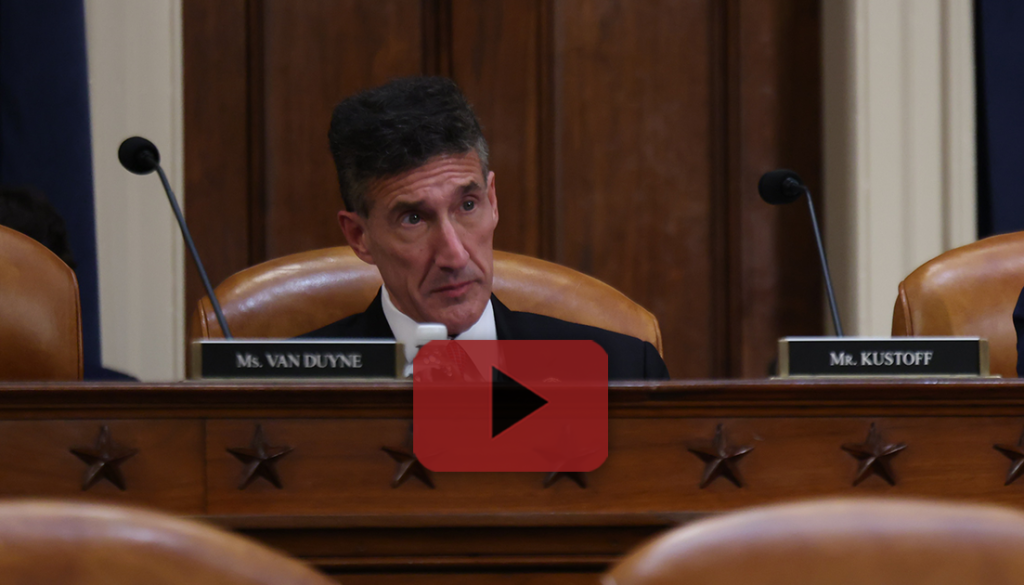
Rep. David Kustoff (TN-08): “Can you talk specifically about how these tax cuts will benefit the workers at Sylvamo?”
Agnes Webb, Vice President of Tax, Sylvamo: “The tax cuts and the Big, Beautiful Bill definitely help us to strengthen our cash position as a company, and that matters because we regularly reevaluate compensation for our employees to make sure that our pay in every market is competitive. When our tax burden goes down, that gives us more flexibility and more resources to then invest in our people. While pay decisions are based on market data and the needs of our business, the Big, Beautiful Bill tax relief absolutely gives us more room to stay competitive and support our employees, and it helps us succeed. Anytime we succeed, that helps our employees succeed, and then the communities that we’re a part of.”
GOP Tax Policy Updated U.S. Tax Code to Better Compete in Global Economy
Prior to 2017, the United States’ international tax law inhibited American businesses from being as competitive as possible in the modern global economy. 60-year-old international tax policy gave rise to offshoring of American manufacturing, jobs, and tax revenue. In the eight years under President Obama, 71 U.S. job-creating corporations moved overseas. The 2017 Trump tax cuts, which the working families tax cuts made permanent, made the U.S. an attractive place to remain and grow a business.
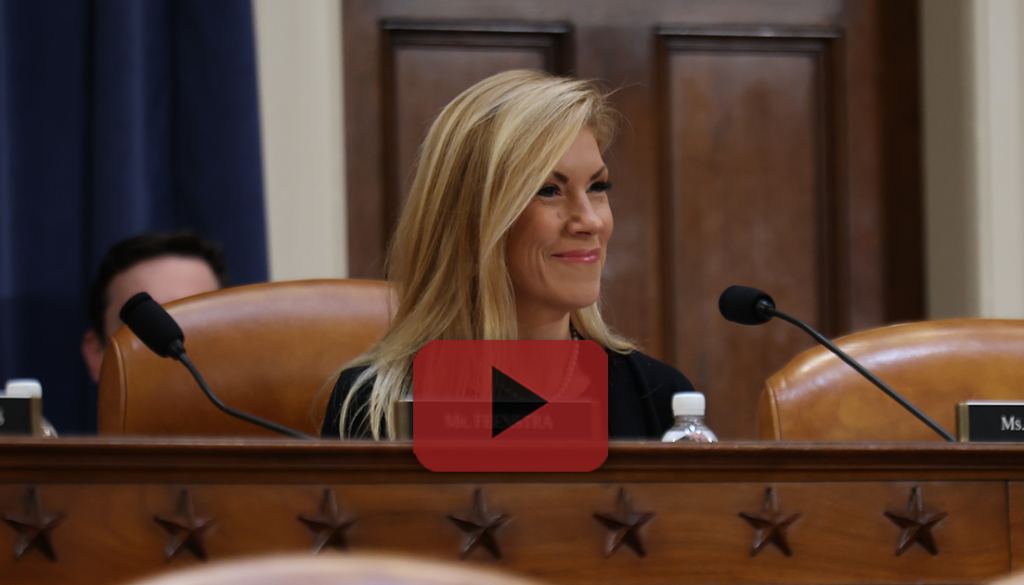
Rep. Beth Van Duyne (TX-24): “Chairman Brady, you were instrumental in crafting the TCJA. Can you speak on how TCJA’s international provisions actually helped to reverse those trends and bring investments back to the U.S.?”
Kevin Brady, former Ways and Means Committee chairman: “Those inversions, those companies picking up and leaving or moving their headquarters or dragging along their manufacturing research out of our communities, was a result of an outdated and uncompetitive international tax code – one from the Kennedy Administration. In fact, our international tax provisions, if they were a person, were old enough to qualify for Medicare…“What we knew is, if we could make the corporate rate competitive again at 21 percent, if we could move from a worldwide taxation system to more of a territorial system, if we could put in place, which we did, safeguards against companies either exporting their profits to low-tax countries or importing their deductions to artificially lower their taxes here, if we did all that, and combined it with incentives for investment in U.S., innovation in the U.S., and make us competitive, we knew we could reverse the damaging effect of inversions, and that’s exactly what we did. But I think the work that you’ve done here and the One, Big, Beautiful Bill builds on that and makes it even harder for companies to justify those inversion type activities.”